Author | A Po
After the Lunar New Year in 2022, Our Marriage and Two Conjectures of Marriage were successively scheduled. Just after the beginning of the year, the content of marriage was too high, and the perfect companion broadcast after New Year’s Day seemed to indicate to all audiences that this was an unavoidable topic throughout this year.
The audience can see Gao Yuanyuan working hard to become a partner in the law firm, Yang Zishan is pregnant and planning to struggle in the company until the delivery period, and Bai Baihe’s resignation with her baby for six years has quickly become a miraculous investment project once she returns. Even if the screen is full of "female warriors", they still can’t escape all kinds of soul interrogations, such as urging marriage, giving birth to a baby and raising a baby, and how to balance the workplace and family.
Marriage drama seems to have made a comeback from the year when Nothing But Thirty’s topic flow exploded. In the name of women’s theme, it discusses some current practical topics and provides young and middle-aged actresses with an extra "life".
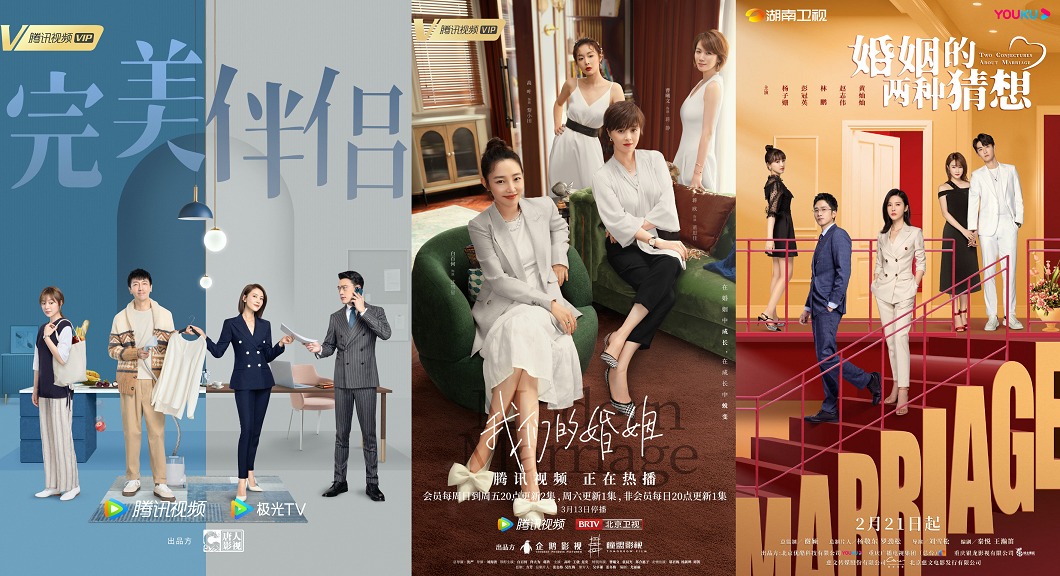
But the reality is not quite the same as imagined. After a survey of some audiences, it is found that if the idol drama provides a kind of love fantasy for the audience, hoping that the audience will look forward to a beautiful love after watching it, then the clustered marriage drama instead provides the audience with a kind of disillusionment of marriage, playing the third wife, preventing cheating, having a second child, the relationship between mother-in-law and daughter-in-law, and balancing the workplace … After a set of well-known discussion topics, it is often accompanied by the ending of "After watching fear of marriage’s fear of education".
As a big category of realistic themes, marriage dramas must be similar and depressing. How to solve homogenization and take the next step?Entertainment unicorn (ID:yuledujiaoshou) invited some film and television industry practitioners and audiences to discuss these issues together.(Some interviewees are anonymous. )
The rise of "her theme" and the return of marriage drama "changing skin"
Looking at literary planning slowly, the sharp increase in marriage and family mainly depends on the rise of the female theme in the past two years.As a market in love women, film and television dramas will never be out of date to discuss women’s life itself.
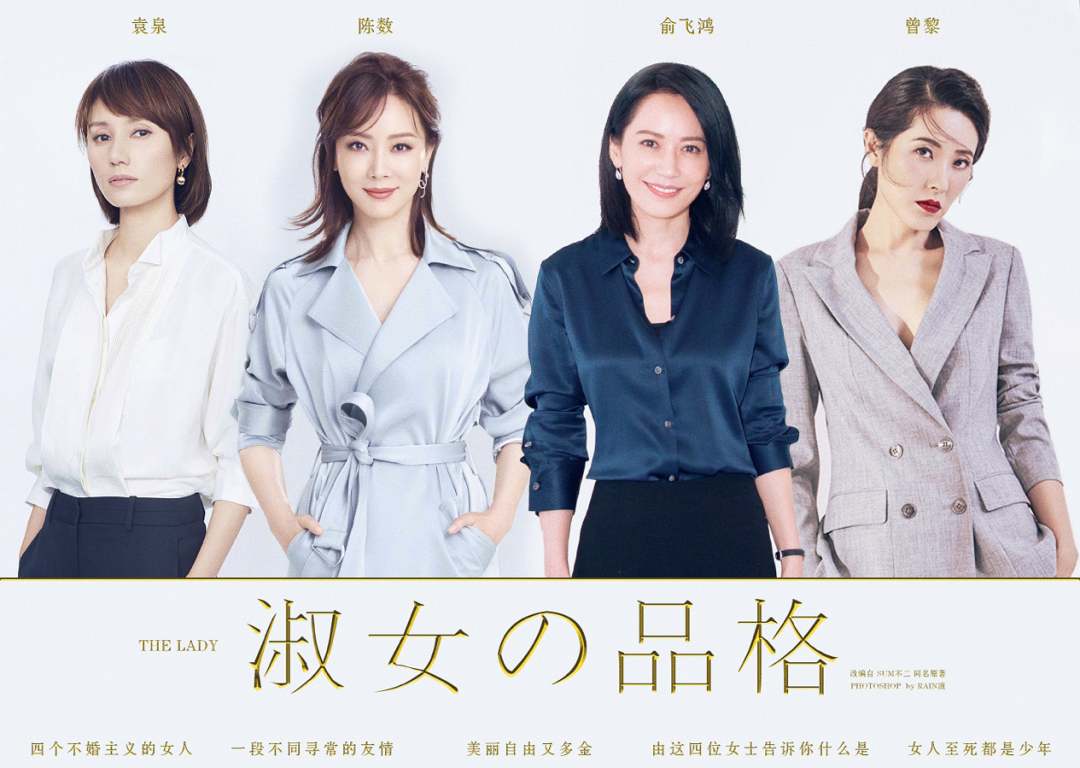
Since 2018, a female group portrait story "The Lady’s Character" from a netizen’s "brain hole" was turned wildly, First Line Pictures announced its purchase, which was widely expected, but the result was nothing but silence. Facts have proved that the market is very eager for the theme of "female group portrait", and facts have also proved that it is quite difficult to develop this theme.
In 2019, Ning Meng Film and Television took the lead in announcing the development of two female group dramas of different ages, "Twenty Confusion" and Nothing But Thirty. Finally, after two years of discussion and development, netizens’ expectations for independent and mature women’s stories returned to family-oriented women. Gu Jia, played by Tanya, tore up her mistress with the attitude of "senior housewife" in a high-end apartment and personally punished her derailed husband, which set off the audience’s cool point. Later, the female theme was often linked to marriage, and marriage was indeed.
Yang Kang, a producer of Shandong film and television production (hereinafter referred to as "producer Yang Kang") mentioned.Marriage drama has always been a theme that has never been abandoned in contemporary domestic film and television dramas.The reason why I feel that there is a significant increase in the market is that with the application of big data in the film and television industry, the original audience data with a large base is presented. This view coincides with Qingmei, who has more than ten years of screenwriter experience.
Screenwriter Qingmei said that she had a complete script for marriage and family projects a few years ago. However, in 2015-2017, Internet movies and TV shows rose, and the audience’s viewing habits and aesthetics of film and TV shows changed greatly. Until recently, producers began to consider whether it could be modified into a story that is more suitable for the current topic.
Producer Yang Kang said that with the development of society, many new public opinion topics and life labels have emerged, which have also been applied to the re-deconstruction of marriage themes. This is also mentioned by the screenwriter Qing Mei. The ethical style of dog blood in today’s marriage dramas and TV family dramas before the birth of Internet movies has changed greatly, and even the dramas are changing every year.
Slowly, when doing preliminary research for similar projects in hand, literary planners found that,"People began to pay more attention to personal feelings in marriage. There are many female marriage dramas to be broadcast, and they began to tell marriage stories from different perspectives."
In this regard, the industry reporter tips very much agree. She believes that there are two main problems that the audience is tired of marriage dramas. One is the unavoidable urge to get married and have a baby, and the other is the unavoidable cheating to catch a mistress. "Cheating on a mistress" is a common practice to create strong conflicts and push the story forward, but it doesn’t mean that it is easy to use. If it is not used wisely enough, it is suspended dog blood, which can be regarded as a lazy method for screenwriters.
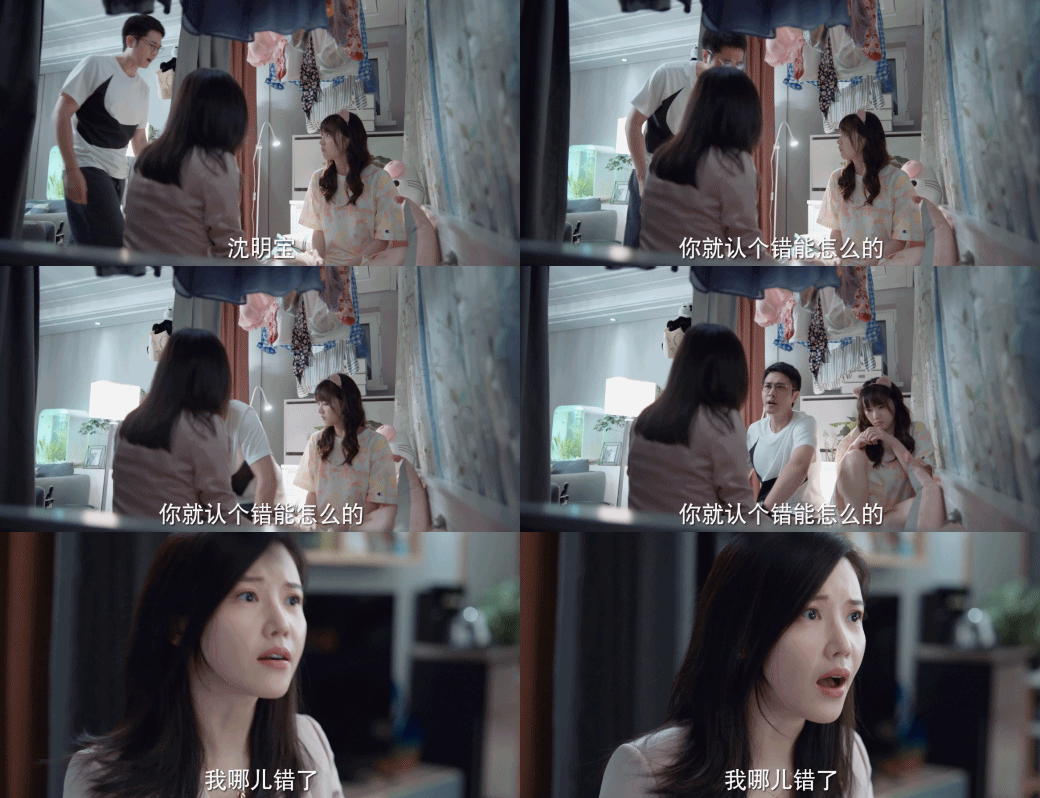
For example, in Two Conjectures of Marriage, when the male host looks at the normal contact between the female host and his friends from a distance, he mistook it for intimate contact because of his own perspective dislocation, and sternly accused the female host as a wife of being unfaithful to himself without verification. This is extremely inconsistent with the plot of ordinary people’s thinking logic, and it is rough and lazy in both script writing and filming, creating "external causes" to create conflicts.
Another kind of seven-year itch is more delicate, and its universality is far greater than that of cheating on a mistress, among which "seven-year itch" is the most realistic "internal cause" of marriage contradiction.
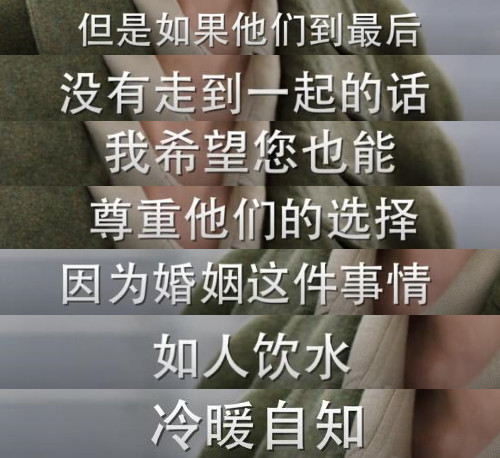
The lines in Perfect Companion pay more attention to the individual feelings in marriage.
For example, in Perfect Companion and Our Marriage, the contradictions between the main characters, husband and wife, are all based on the contradictions of mutual resentment after living together for six or seven years, which is not easy. Human nature is very complicated, so it is the most complicated to discuss the causes of marriage conflicts from the "internal factors" of people. Whether it is successful or not is not mentioned for the time being, but at least we can see that part of the production team is "sincere".
The "post-90s generation" has turned 30, which may be the biggest change made by the marriage drama to adapt to the current audience.
Topic bonus, who "benefits"?
If the last popular trend of the former marriage drama was still based on the TV-led to-B movie-watching habit, then the "Niu Kelu Marriage Drama" returned this time has been to adapt to the movie-watching habits and entertainment methods of the audience after the baptism of the "post-85 s" and "post-90 s" generation Z, namelyGrab the audience by discussing hot spots on social networking sites.
Qing Mei, a screenwriter, thinks that the difficulty of marriage and family drama is to grasp the pain points of the times.In recent years, due to the changes in social reality, the pain points of the times have become more distinct and prominent, and they are more attractive to young people.
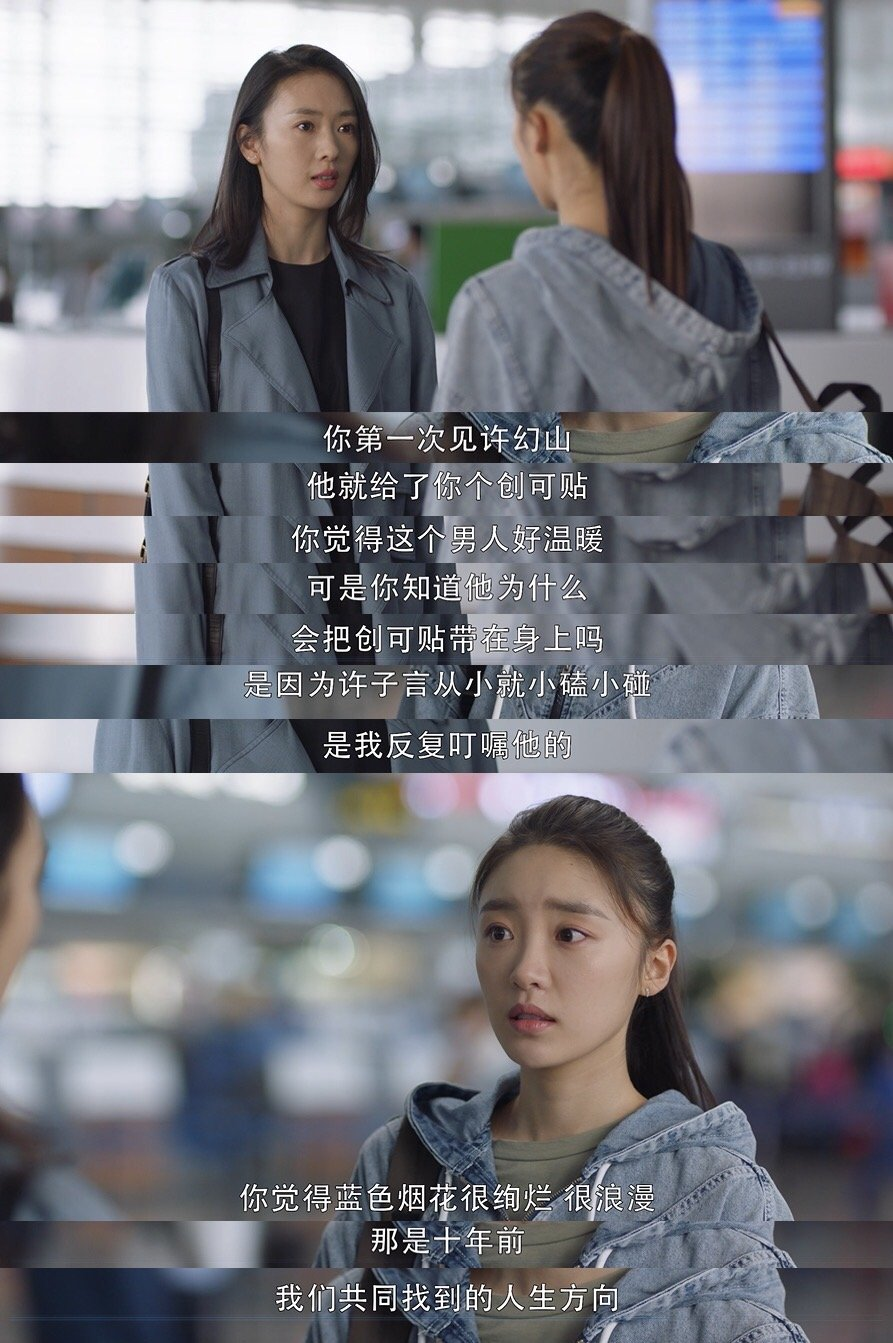
"I think that many TV dramas are not only marriage dramas, but marriage dramas are a representative, and they are all being done in the way of WeChat official account. The topic comes first. In addition to strong conflicts, there must be golden lines, and there are very prominent people like Nothing But Thirty Zhonglin. Together with propaganda means, let everyone play casually."Literary planning will do the same when the script is slowly promoted. If you want the screenwriter to make these characteristics, after all, it is the basic rule that film and television dramas can attract audiences now.
For example, cheating on a mistress is a common feature of marriage dramas, which does not have a strong sense of the times. The embodiment of the times lies in the changes in two directions, one is to discuss the refinement of marriage topics, and the other is to deal with marriage problems.
What is obviously reflected is the refinement of the topic of marriage. In Two Conjectures of Marriage, the man and the woman choose to find a suitable formula for flash marriage in order to work without being disturbed, which leads to the topic # Can the first blind date inspect the goods? #, which links the blind date with the shopping experience; Shen Mingbao’s obsession with "getting married at the age of 30" has led to the discussion of # Is it guilty of not getting married at the age of 30? This is the most urgent topic for the 30-year-old "post-90 s", and it also frequently appears in social news and social networking site discussions.
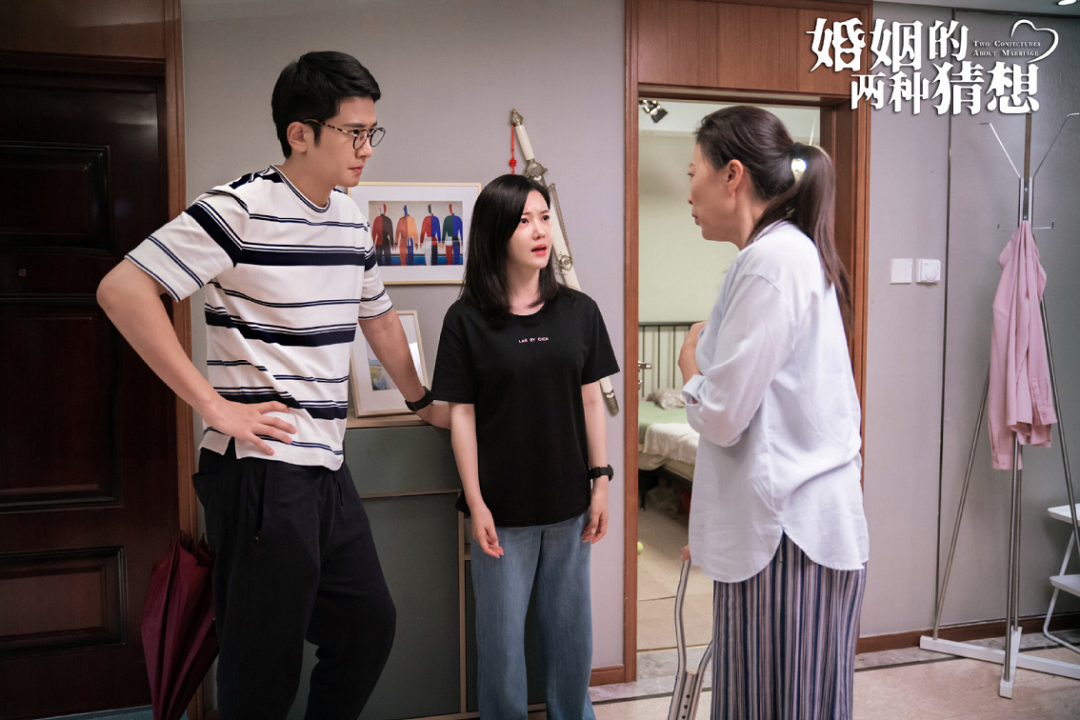
Literary planning slowly said,In order to resonate with reality, it has become a routine practice for marriage dramas to frequently seek realistic materials in social networking sites and social news.However, since the emergence of the media, a lot of news exists in the form of "headline party", and the second verification becomes very critical. The reasons for the news’ appearance cannot be speculated. If the material is not verified and studied in depth at the script stage, it will be divorced from reality and superficial, just like the media, and only seek instantaneous flow.
The content of film and television dramas and online topics are not only mutually beneficial, but also may cause the content to be lazy and vicious circle.
Outside the content end,The return of marriage dramas has gradually raised the age group of actors and audiences who tend to be younger as a whole since the standardization of Internet film and television in 2017.
For the audience, the core audience of Internet film and television is between 16 and 24 years old, and can be widened to 12-34 years old. In the view of producer Bei Lin, the audience of marriage drama is still relatively popular, and it can basically be positioned as a female audience between the ages of 18 and 50.
Marriage drama has become the representative of "mature drama".Actor Danni Zhong also said that when she made her debut in 2010, because of the popularity of family ethics dramas, young people needed to wear suits and high heels to audition like job interviews, because the actors needed at that time were also relatively mature Tsing Yi types, and during the Internet film and television period, she needed to wear casual clothes to audition, and the young characters in idol love dramas were mainly suited to sweet pets. Only in the last two years, the realistic theme became popular again, and the "Chinese women craze" became popular, did she feel that she had caught up with the times.
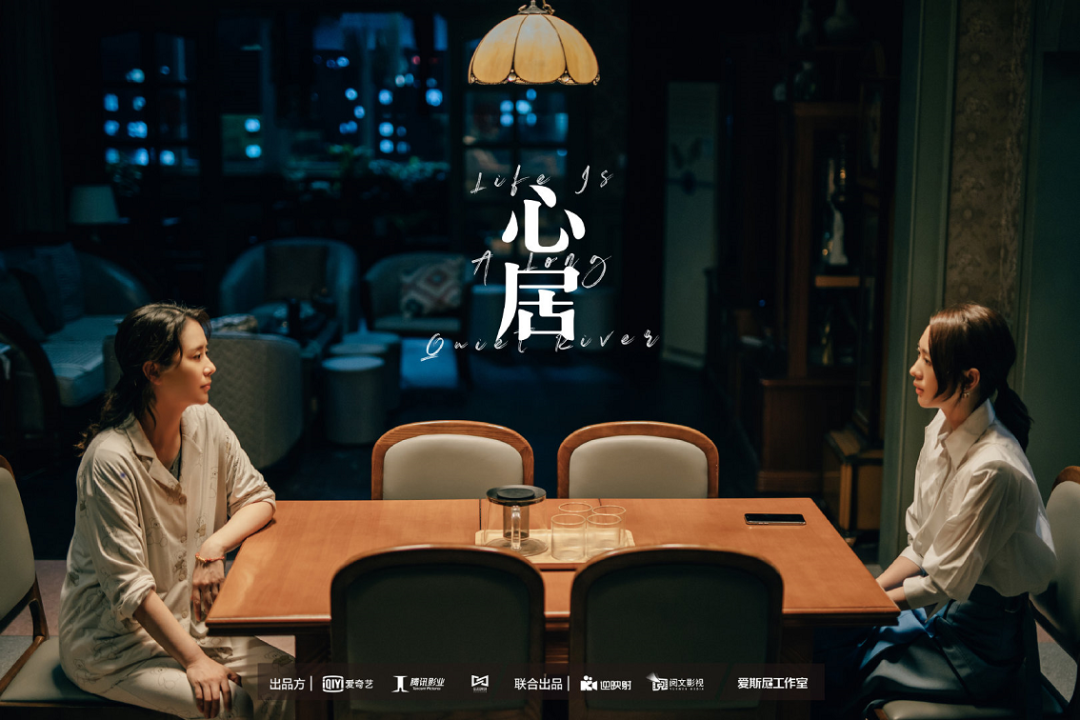
This year, Gao Yuanyuan, 42, Bai Baihe, 37, and Yang Zishan, 35, are the heroines of the three popular marriage dramas, all of whom have a history of marriage. And the popular family drama "Heart House" with the theme of the relationship between aunt and sister-in-law, also starred by Christina, 44, and Tanya, 36.
At the 13th First Film Festival in 2019, Christina, Yao Chen, Liang Jing, Ma Yili, Song Jia and other actresses who were almost all 40+ at that time gave a speech about "the dilemma of Chinese women", calling on directors and producers to give Mesozoic actresses more opportunities. In fact, over the years, Ma Yili had My First Half Life, Yao Chen had Everything Fine, Song Jia had Little Shed-up and In the World, and Nicole became a representative of female producers, while Christina finally took up Heart, although she was still a wronged wife.
But obviously,35-year-old+actors are broadening their careers.Because the "85-flower" generation, which is rising from the era dividend of IP and ancient dolls, not only continues to struggle in IP and idol dramas, but also has the opportunity to show its strengths in the marriage dramas of school-age women like Tanya. In addition to Two Conjectures of Marriage, Yang Zishan has also aired an idol drama "The Lion’s Reflection on the Cat" adapted from the romance novel of Ba Zong this year. The performance is still good, and it is not a conflict for actors to appear in different themes.
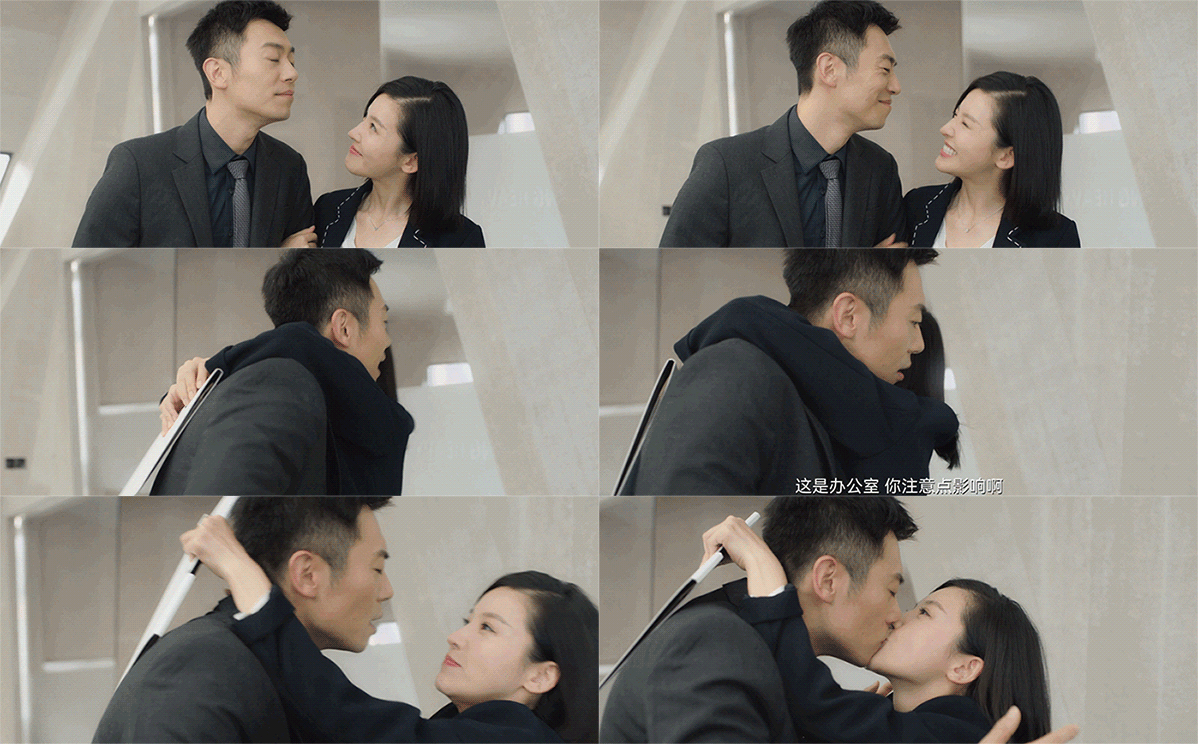
Producer Bei Lin also pointed out that,From the producer’s point of view, the limitations of actors are relatively small, and marriage drama, as a realistic theme, pays more attention to directors and screenwriters who have had more successful experience in the same field. Therefore, it is an era of more opportunities for more mature actresses.
The next step in the marriage drama,
Can you go deeper?
"Although the topics discussed in the marriage drama are becoming more detailed, we still can’t escape the framework of these topics, such as urging marriage at an older age and raising a baby in the workplace. It’s just that the plot begins to show the behavior of contemporary women under these frameworks." The industry reporter tips bluntly, which also causes the audience to feel tired of the homogenization of marriage and family dramas.The key is to look at the next step of this theme.
Old-fashioned marriage dramas deal with the phenomenon of cheating on a mistress, which is that women choose to bear it or carefully struggle whether to expose it. The thinking of "Don’t wash your dirty linen in public" is deeply rooted, but for young people today, "cool" is the first element, and they can’t stand it. Anyone who commits an offence against me, not only a mistress, but also a green tea lotus must be torn one by one. This is also the reason why Gu Jia in Nothing But Thirty stands out among the three women.
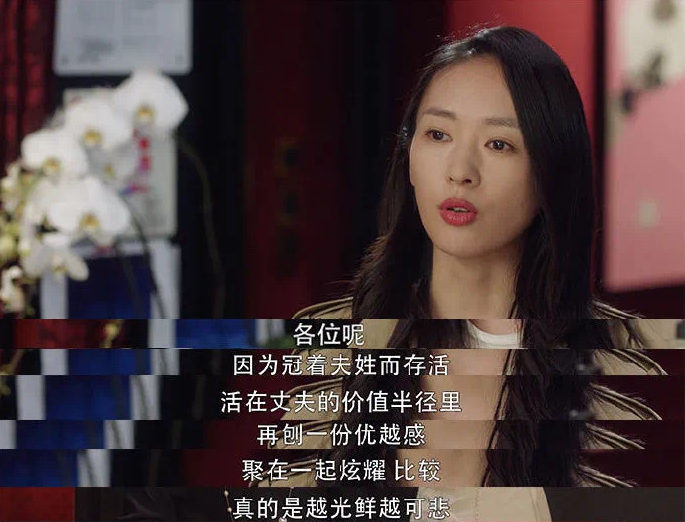
"Female strength is the trend or expectation of contemporary women, and it is more intense on social networking sites." Literary planning slowly indicated that the current speculation on existing topics, although it seems to resonate with the current trend, is essentially a backward rather than a leading practice.
Xiao Fan, a screenwriter, believes that in the past three years, the theme of marriage and love still focuses on the conflict of sexual demand, reproductive quality, money consumption concept and living habits.However, the discussion on the cost of marriage is getting shallower and shallower, and finally it ends in vain.
"In a highly urbanized life, the difficulties faced by each family are actually similar. The difference is that different people face different solutions to similar difficulties." According to the screenwriter Qingmei,Telling stories from the point of distress and anxiety can arouse the resonance of some people, but what is actually lost is the resonance of a larger group.For example, the resonance brought about by the changes of the times, such as "In the World", is different from the practice that anxiety brings resonance at present.
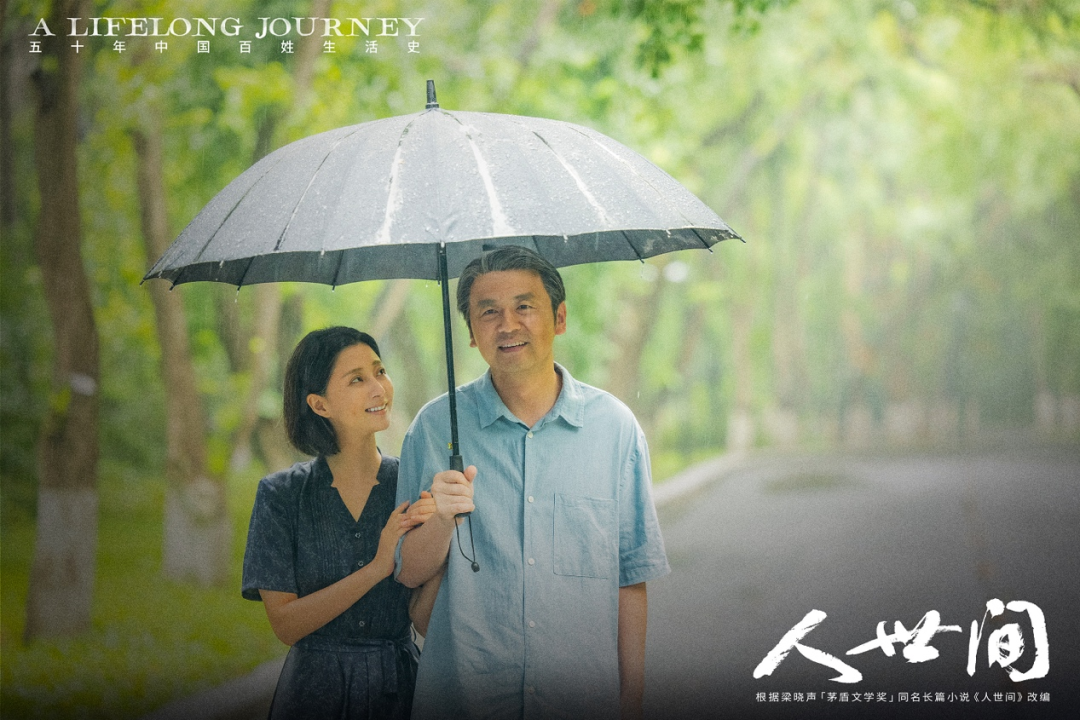
The industry people interviewed also unanimously agreed that,Exploring the times from the current realistic view of marriage and love is what marriage drama should really explore in depth.Unfortunately, no one has really done this step yet because of objective reasons or limited by the creator’s ability.
Industry reporter tips believe that,Collecting public questions, asking questions, amplifying problems, getting traffic, and ultimately not solving problems is tantamount to"Playing hooligans" is the biggest problem in the current marriage drama, and it is also the biggest reason for "fear of education after watching fear of marriage". On the other hand, "The World" or the classic "Parents’ Love" in the domestic marriage drama, because it is based on the past background, the audience is looking back, and it is easier to draw a summary of the characteristics of the past era from the current era environment, so it is easier to "draw conclusions".
The discussion of the New Year’s hot drama Opponent seems to give some practitioners a new indication. The "spy couple" in the drama is nervous and full of fireworks, so can the pure marriage theme evolve with a new theme?
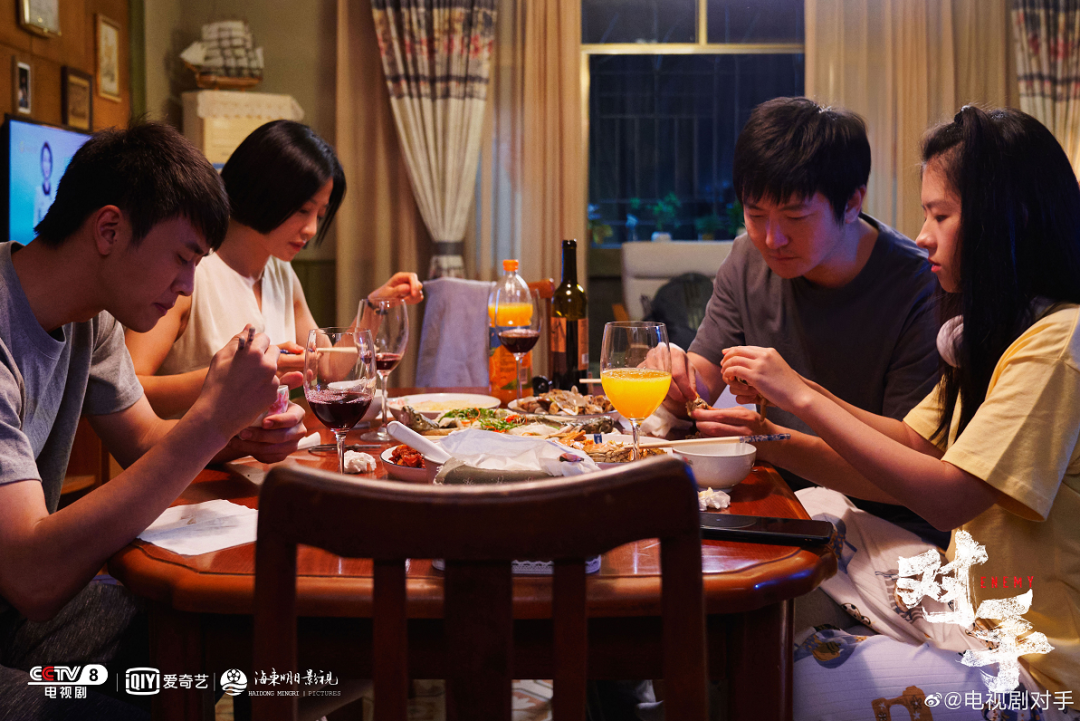
Nowadays, most marriage dramas are usually combined with workplace elements because of the need to discuss how women balance the workplace and family, but the screenwriter Qing Mei believes that,The workplace and marriage are not compatible, and both need to be more extreme. This extreme is two completely different directions.
Literary planning and screenwriter Xiao Fan think that,It is not only anxious topics that can reflect the realism of realistic themes.For example, can we develop a marriage comedy, a light comedy or a healing style like the American drama Romance of Mom and Dad, or add some suspense elements like the spy war elements superimposed on Opponents? Although the Five-element Culture has developed the series of marriage suspense dramas of White Moonlight, it has obviously not grasped the key points in the actual practice. The Wife’s Choice, which the Tang Dynasty film and television will land in Mango Monsoon Theater next, is also of the same type, which is worth waiting and seeing.
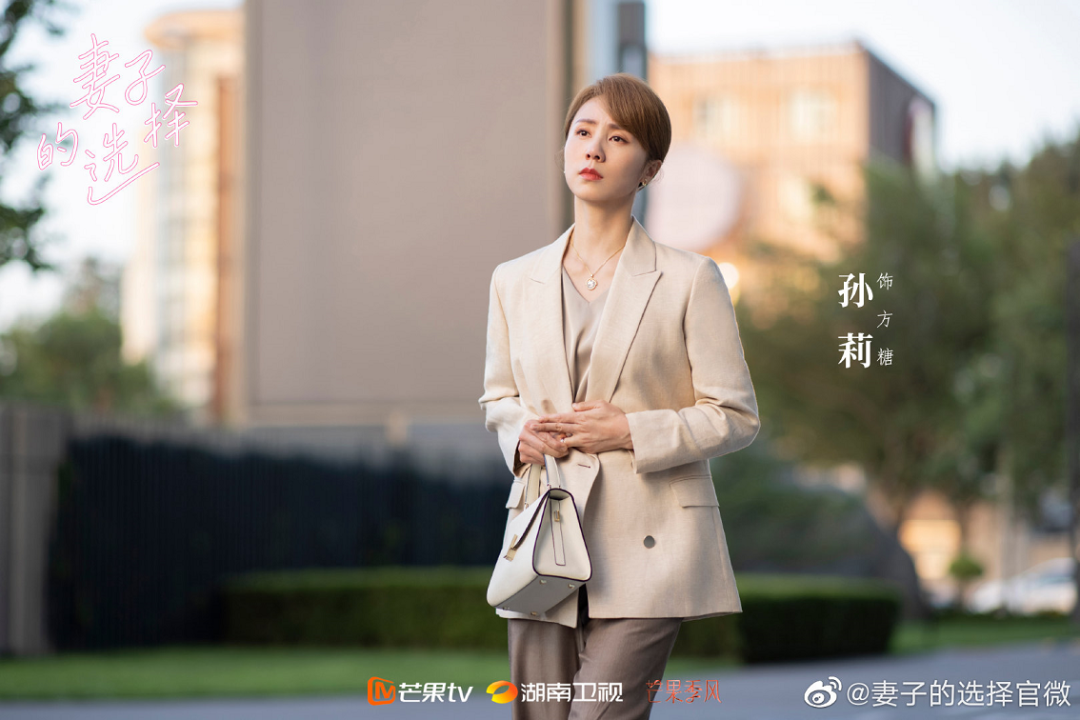
Fortunately, we can feel from the interviews with producers Yang Kang and Bei Lin.With the increase of female producers, there are more and more people in the whole industry who can really feel the same way about female themes, and more people are willing to make further exploration for such themes.