Vaccination is the only effective means to stop preventable pneumonia deaths.

Ward rounds of children’s respiratory doctors in Chengdu Women and Children Central Hospital
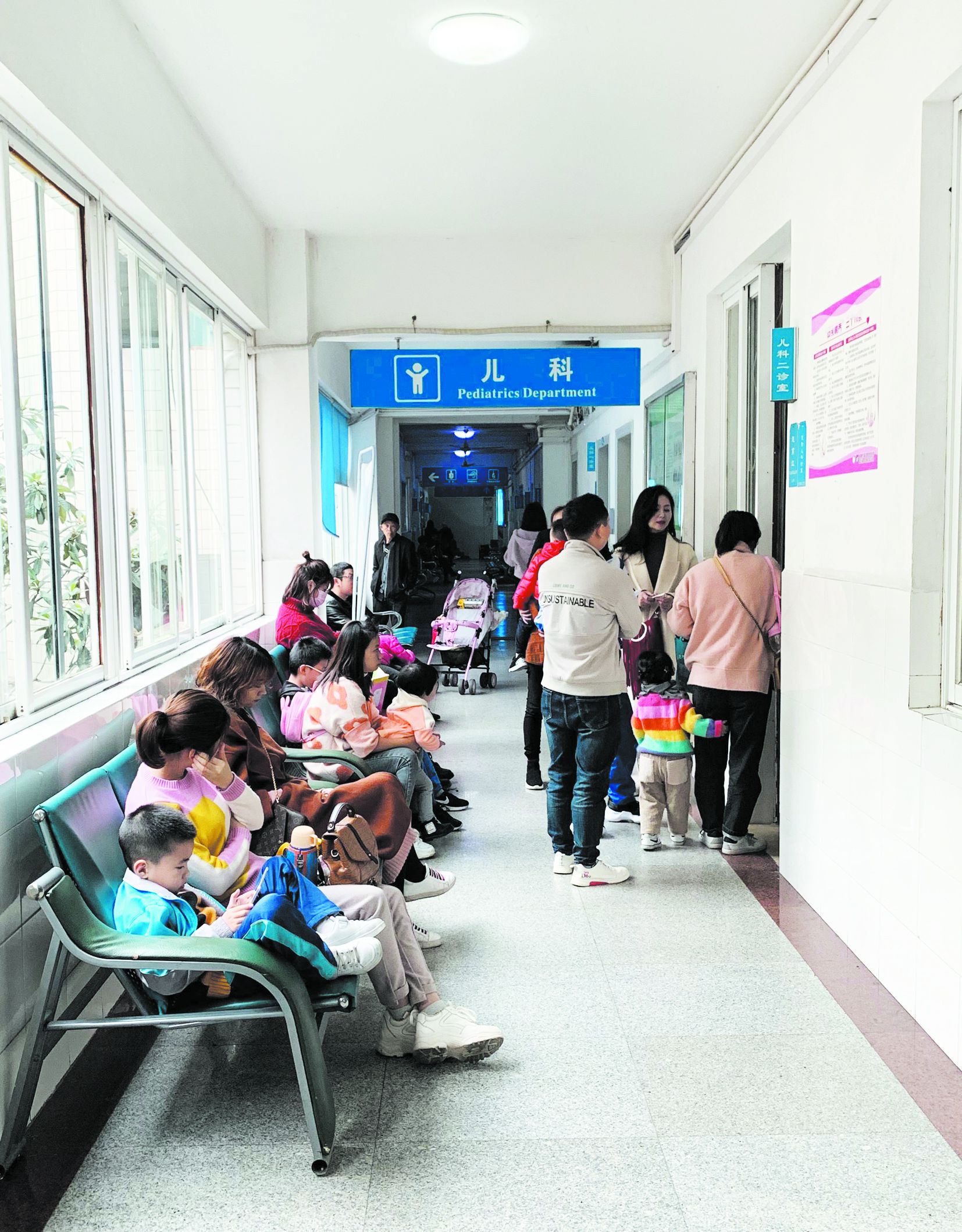
Small patients waiting to see a doctor outside the pediatric clinic
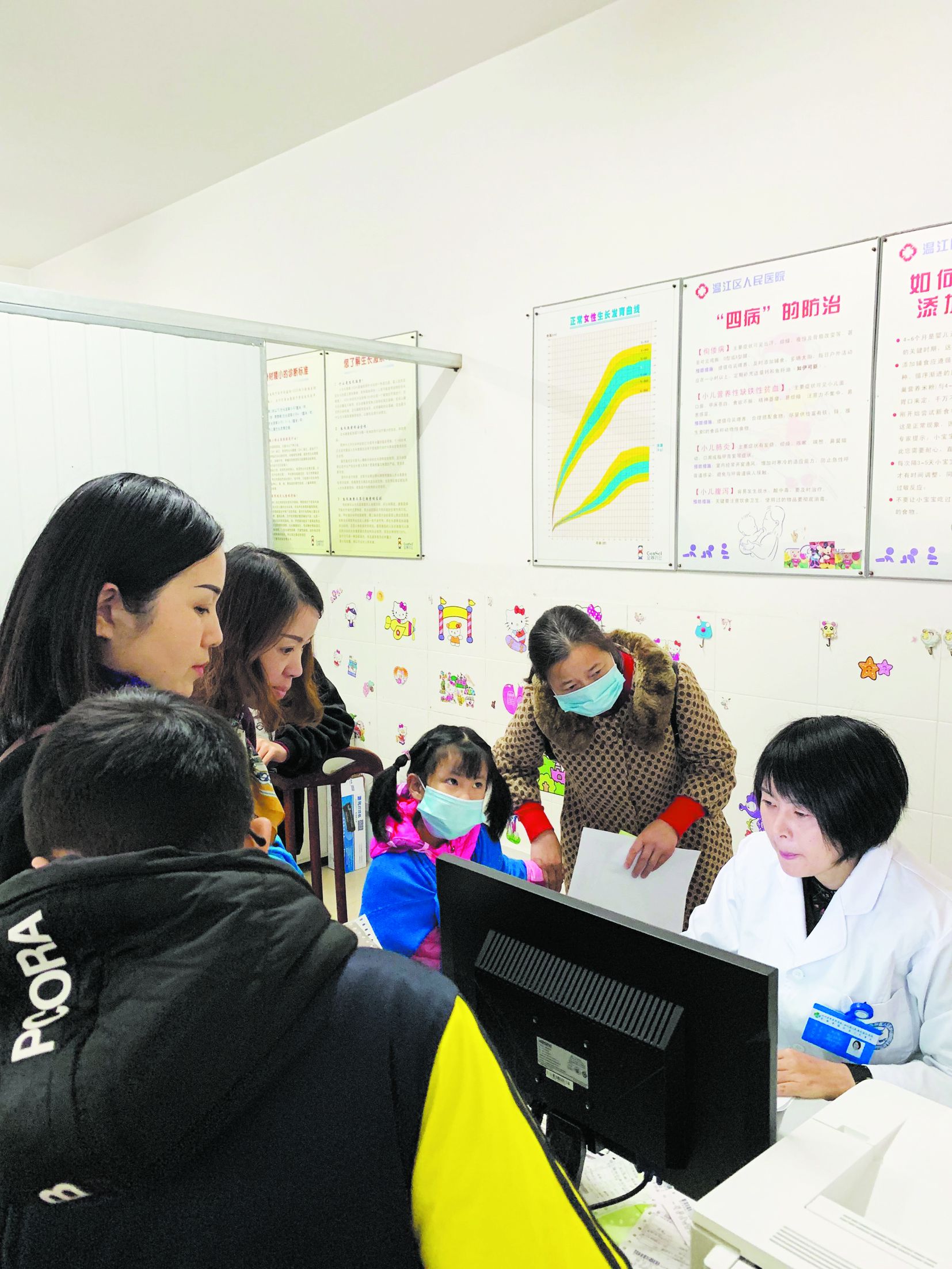
Director Chen Yun is in the clinic.

PICU medical staff in Chengdu Women and Children Central Hospital take care of children with severe pneumonia.
November 12th is the 11th World Pneumonia Day, and this year’s theme is "Ending preventable pneumonia deaths". World Pneumonia Day was celebrated on November 2, 2009 by an alliance of nearly 100 organizations and institutions around the world — — The Global Alliance for the Eradication of Children’s Pneumonia was launched, and November 12th of each year was determined as World Pneumonia Day. Pneumonia is the main cause of children’s death due to infection all over the world, and the leading cause of children’s death under 5 years old. It is a disease with high consumption of medical resources and high mortality, but it is also a preventable and treatable disease.
I kissed him and got pneumonia.
Don’t kiss children at will during the high season of respiratory diseases.
"Pneumonia? How can the doll be pneumonia and she doesn’t cough? " Just two days after World Pneumonia Day, Ms. Chen, who lives in High-tech Zone, suffered a major blow in her life — — My 3-year-old daughter blossomed with pneumonia. Ms. Chen said that some time ago, the kindergarten organized the children in the class to participate in out-of-town condolence activities. After coming back, the mental state of blossoming has been bad, and later a high fever was inexplicably launched. Because blossoming didn’t cough, she gave the doll antipyretic and the situation improved a little. However, such a good time didn’t last long. Only one day later, after another, blossoming had a fever, and the temperature remained high, reaching a maximum of 39 degrees. It was useless to take antipyretics. Touching her daughter’s hot body, Ms. Chen, who was anxious, took her to Chengdu Women and Children Central Hospital for treatment. Only after an examination did she know that blossoming was actually a severe pneumonia and needed to be admitted to hospital immediately.
"The doctor said, may be that day to participate in activities, was infected by a kiss her grandmother. You see, it’s been four days, and the fever hasn’t gone down … …” In the hospital bed, the blossoming liquid twisted her small body from time to time because she was uncomfortable. Ms. Chen looked at the blossoming with a haggard face and was very distressed. Ms. Chen told reporters that at the event that day, the lovely blossoming became the focus of the audience. A kind grandmother especially liked her, smiled at her and kissed her on the face … … Unexpectedly, this activity actually made my daughter pay such a painful health price.
Ai Tao, director of children’s respiratory department of Chengdu Women and Children Central Hospital, said: November to April of the following year is the high incidence season of upper respiratory diseases. Recently, severe pneumonia admitted to hospitals accounted for more than 60% of the inpatients, among which premature infants, low birth weight infants, congenital heart disease infants and newborn two children were the majority, especially in two-child families, where the eldest child often infects the second child or the second child infects the eldest child, and even the elderly infect the children.
Pneumonia is the "number one killer" that harms children’s health, and it is also the "culprit" that harms the health of the elderly. Pneumonia is a serious infectious disease all over the world, especially for children. This is because children’s immune system is not fully developed, their resistance is weak, and they are vulnerable to various microorganisms, especially children from 6 months to 2 years old. At the same time, children’s colds may also cause pneumonia if they are not treated in time.
According to the statistics of the World Health Organization, about 700-100 million children under the age of 5 die of diseases caused by pneumococcus every year in the world, and pneumonia kills a child every 15 seconds around the world. Pneumonia is called the "number one killer" against children’s health because it is the main cause of death for all children under 5 years old.
Because pneumonia is caused by viruses, bacteria or fungi, it can spread in many ways. A cough or sneeze may spread droplets with pneumococcus to children; For the elderly, because of poor physical resistance, or suffering from basic diseases, it is also easy to be invaded by bacteria and viruses. Because of its physiological characteristics, the immunity of pregnant women is suppressed to some extent, so the probability of pneumonia during pregnancy is also high. Pregnant women and lactating women cannot be vaccinated with pneumonia vaccine, which makes pre-pregnancy prevention particularly important.
Experts suggest that parents should do a good job in the health care and education of dolls, and parents with children under 2 years old must attach great importance to their children’s vaccination. Especially for the invasive pneumococcal disease known as the "health killer" of infants, vaccination as soon as possible can effectively reduce the risk of infection and build a "first line of defense" for the healthy growth of children.
It is worth parents’ attention that never let people kiss dolls at will, especially when adults have respiratory infection, cough or sneeze, cover their mouths with paper towels or handkerchiefs and avoid directly facing children; Please take the initiative to wear a mask when caring for children and playing with them.
Not alarmist.
Pneumonia can cause sequelae such as meningitis and bacteremia.
At 8 o’clock on Monday morning, Director Chen Yun of Children’s Medical Center of Wenjiang Hospital of Sichuan Provincial People’s Hospital just went to work. The corridor outside the department was crowded with small patients waiting to see a doctor. They were wearing masks and there was a low cough from time to time. Chen Yun glanced at the registration statistics. In just one morning, her number has been ranked to more than 50.
From 8 o’clock until 11: 35, Chen Yun was so busy that he didn’t even take a sip of water. "I don’t have time. I try not to drink water and avoid going to the toilet. I can see a doll more when I save time. Recently, there are a lot of dolls infected with respiratory diseases, especially now it is flu season, and there are more children with pneumonia caused by flu … …” Chen Yun took time to tell reporters.
As soon as the voice fell, a couple came in with a 10-month-old doll. "The doll has a fever and feels particularly heavy breathing. Listen carefully to the sound of snoring on the back similar to the rotation of a fan … …” My mother is very experienced. As soon as she sat down, she hurriedly said the symptoms again. After careful examination, Chen Yun was highly suspicious of pneumonia, so he issued a list of lung scans and blood tests. The results of the examination in the afternoon confirmed her suspicion: the 10-month-old boy was diagnosed with pneumonia and was admitted to hospital immediately.
What is pneumonia? Chen Yun said that the lungs of the human body are composed of small air sacs called alveoli, which communicate with the outside world through bronchioles. Healthy people will be filled with gas when breathing normally. The human body exchanges gas through the lungs, so as to inhale oxygen and expel carbon dioxide, and the inhaled oxygen is supplied to the whole body to maintain the functions of important organs. Pneumonia is an inflammatory disease caused by various pathogenic microorganisms and other non-infectious factors (such as inhalation, allergies, etc.). When suffering from pneumonia, the alveoli are filled with liquid, which will affect the gas exchange function and thus limit the intake of oxygen. The human body will cause a series of serious symptoms due to lack of oxygen.
She said: Pneumonia is generally caused by infectious factors, including bacteria, viruses, mycoplasma and fungi.
It is understood that the common infectious factors of pneumonia are: pneumococcus. It is the most common cause of bacterial pneumonia in children, and pneumococcal diseases account for 28% of the preventable diseases of children under 5 years old in the world, ranking first. The number of cases of five-year-old children in China ranks second in the world, accounting for 12%; The carrier rate of pneumococcus in nasopharynx of children under 6 years old is 30%-50%, while that of adults is 4%-12%, and that of adolescents is 8.2%. In contrast, infants and young children are more vulnerable to pneumococcal diseases. 75% of pneumococci occur in children under 2 years old. If not treated in time, it can also cause sequelae such as pneumococcal meningitis, bacteremia pneumonia, bacteremia, osteomyelitis, septic arthritis, cellulitis, brain abscess, pericarditis and endocarditis. About one in three children with pneumococcal meningitis will have sequelae. Even with treatment, the incidence of long-term neurological sequelae in survivors can be as high as 24.7%, while the mortality rate of pneumococcal meningitis in developing countries is 50%.
In addition to pneumococcus, respiratory syncytial virus and mycoplasma infection are also common causes of pneumonia. Respiratory syncytial virus (RSV) is the most common cause of viral pneumonia in infants under 2 years old, especially within 6 months, and it is also the most common pathogen of bronchiolitis, which occurs frequently in cold and warm seasons, such as winter and spring. Thirdly, mycoplasma infection, which is a pathogen between bacteria and viruses, is common in school-age children.
Influenza makes pneumonia more lethal.
Babies before the age of 6 months need pneumococcal vaccination.
Influenza and pneumonia are often in cahoots.
After being infected with the flu, the immune system in the human body will continue to fight the flu virus. At this time, pneumococcus will take advantage of it, causing sudden fever, muscle pain and cough fatigue. Infants, the elderly and the infirm are prone to pneumonia and other complications after suffering from the flu. Influenza is highly contagious, and what needs more attention is that it can be used as a fuse, which can make pneumococcus lurking around the human body more lethal, and the existence of pneumococcus also enhances the spread effect of influenza virus.
Ai Tao, director of children’s respiratory department of Chengdu Women and Children Central Hospital, said that for babies under 6 months old, their immunity mainly depends on mother-to-child antibodies obtained from their mothers at birth. Mother-to-child antibody level is the highest at birth, and gradually decreases with the growth of infants and children, and reaches the lowest at the age of 6 months. At this time, infants’ own immunity to pathogenic infection is extremely low, which provides the best opportunity for bacteria and viruses to invade and enter the susceptible stage of infectious diseases. At this time, the "immune window period" has become the "high incidence period of infectious diseases in children". Therefore, pneumonia is one of the most serious complications of influenza.
Influenza virus combined with bacterial infection will increase the mortality of influenza. Among them, pneumococcus is a common pathogen. It turns out that influenza and pneumococcal infection have a synergistic effect. On the one hand, influenza virus can damage the respiratory epithelial layer, making pneumococcal colonization easier; At the same time, other pathological changes caused by virus are also beneficial to pneumococcal disease. On the other hand, pneumococcus can also enhance the pathogenicity of influenza virus. Therefore, in the face of the double threat of influenza and pneumococcus, people at high risk of influenza, such as the elderly and children, should be vaccinated against influenza. However, it is quite serious that babies before the age of 6 months can’t get the flu vaccine and can’t get the specific immune protection of the flu vaccine. Therefore, in order to prevent influenza and pneumococcus, babies before 6 months old need to be vaccinated with pneumococcal vaccine to build an immune firewall for their babies.
Cruel reality: pneumonia is rampant in all ages.
Smoking is the biggest risk factor of pneumococcal infection in adults
The number of cases of pneumococcal infection among children under 5 years old in China ranks second in the world, second only to India. The number of deaths due to pneumococcal infection ranks 10th in the world, and about 30,000 children under 5 years old die from pneumococcal infection every year. This number is much higher than the number of deaths caused by Hib infection. In the Asia-Pacific region, about one child dies of pneumococcal pneumonia every minute. In fact, the treatment of pneumococcal infection in primary hospitals in China is usually empirical treatment with antibiotics. Therefore, the infection status of pneumococcus in China may be underestimated.
Dolls are prone to pneumonia, so we adults have strong resistance, so it is not easy to get pneumonia? This is a common cognition of many people. However, the reporter learned in the interview that the reality is far more cruel than imagined.
Children, especially children from 6 months to 2 years old, are vulnerable to various microorganisms because of the incomplete development of their immune system and weak resistance. At the same time, the elderly over 65 years old, or patients with chronic obstructive pulmonary disease, diabetes, malignant tumors and other basic diseases are also high-risk groups of pneumonia.
If the elderly have chronic diseases such as asthma, chronic obstructive pulmonary disease, pulmonary interstitial fibrosis, bronchiectasis, etc., or the elderly have problems such as heart disease or renal insufficiency, it is even more necessary to vaccinate to prevent pneumonia and reduce the risk of diseases caused by concurrent infection.
In addition to the elderly and children, young adults with immune deficiency should also be very alert to pneumococcal infection. These special groups should also be the key groups for vaccination.
In addition, the key populations for vaccination include patients with chronic obstructive pulmonary disease and asthma, patients with chronic heart disease, patients with diabetes, chronic liver disease and cirrhosis, patients with chronic renal failure and nephrotic syndrome. HIV-infected people with impaired immune function, patients with hematological tumors, patients with generalized malignant tumors, recipients of organ transplantation and bone marrow transplantation are also included.
In the Expert Consensus on Immunoprevention of Pneumococcal Diseases (2017 Edition), it is specifically mentioned that smoking is the biggest independent risk factor for adults to be infected with pneumococcus. Smoking may lead to pneumococcal colonization in the mouth, and the risk of pneumonia will increase with the increase of annual smoking.
The 2016 edition of Guidelines for the Diagnosis and Treatment of Adult CAP in China, revised by the Respiratory Branch of Chinese Medical Association, is a technical guide to guide clinicians in standardized diagnosis and treatment. Among them, the content of prevention specifically points out that "pneumococcal vaccine can reduce the risk of pneumonia in a specific population." The trivalent pneumococcal conjugate vaccine can cover 70%-80% of Streptococcus pneumoniae serotypes in China and has good immunogenicity. " The guideline also mentions that "the combined application of pneumococcal vaccine and influenza vaccine can reduce the mortality rate of elderly patients".
Our province’s medical insurance can pay for the second-class vaccine.
Vaccination is still the most effective means.
Winter is the season of high incidence of respiratory diseases. Respiratory diseases have become one of the important public health problems in the world, and have also become the key task and challenge of disease prevention and control in China. Pneumococcus everywhere is threatening the health of infants and the elderly. Compared with passive treatment after illness, active prevention is the best policy to fight pneumococcal diseases.
According to the new evidence shown in the latest position document of WHO, among children under 5 years old, 75% patients with invasive pneumococcal diseases and 83% patients with pneumococcal meningitis are children under 2 years old, and 8.7%-52.4% patients with pneumonia are infants under 6 months old. In view of the serious disease burden caused by pneumococcal diseases, pneumococcal-related diseases are listed as diseases that need to be prevented by vaccines with a very high priority by WHO. Therefore, from the age of 1.5 months, the baby should be vaccinated with pneumococcal vaccine and other related vaccines as soon as possible to avoid serious diseases caused by the gradual decline of immunity.
It is understood that there are two kinds of pneumococcal vaccines on the market in China: trivalent pneumococcal polysaccharide conjugate vaccine (PCV13) and trivalent pneumococcal polysaccharide vaccine (PPV23). The immune effect of PPV23 in children under 2 years old is poor, and it can’t be enhanced by repeated inoculation. Therefore, most countries in the world have incorporated the trivalent pneumococcal polysaccharide conjugate vaccine with better immune effect into the national immunization plan, and vaccinated children, young people and the elderly. At present, the trivalent pneumococcal polysaccharide conjugate vaccine has been approved for marketing in more than 160 countries around the world, and more than 125 countries have included it in their national immunization programs.
For the elderly, the incidence of community-acquired pneumonia caused by pneumococcus is high, the treatment is difficult and the mortality is high. Vaccination with PCV13 vaccine can prevent this kind of disease more effectively. 112 countries have approved the vaccination of PCV13 vaccine in the whole population. In China, PCV13 is currently only approved for infants under 2 years old. In the future, with the emergence of more evidence based on domestic clinical use, this vaccine is expected to be extended to the elderly.
"Vaccination is an effective way for the human body to obtain antibodies and prevent diseases. At the same time, vaccination, as the most economical and effective means to prevent infectious diseases, has achieved remarkable results in China." Huang Rongna, chief of the Department of Planning and Immunology of Chengdu Center for Disease Control and Prevention, told the reporter that according to the data released by National Health Commission, with the popularization of vaccines for more than 40 years, the incidence of various infectious diseases in China has dropped significantly.
It is gratifying that although pneumococcus is the primary pathogen causing bacterial infections in children and the elderly, pneumonia can still be prevented and controlled as long as it is prevented in time.
Vaccination is one of the most economical, effective, safe and convenient methods to prevent infectious diseases. It is understood that there are currently more than 400 vaccination clinics with vaccination qualifications in Chengdu. All children living in our city, whether local or foreign, can go to the community health service centers, township hospitals and other vaccination clinics where they live now, and enjoy homogeneous and equal medical services.
At the same time, the reporter also learned from Chengdu CDC that medical insurance in our province can pay for the second kind of vaccination. From March 1, 2019, the province-wide non-immunization program vaccination can also be paid through the personal medical insurance account of individuals or their family members.
Chengdu Daily reporter Yu Xingyu Wen/map