With the influx of big flowers and the topic first, what should the "marriage and family drama" do next? | exclusive investigation

Author | A Po

After the Lunar New Year in 2022, Our Marriage and Two Conjectures of Marriage were successively scheduled. Just after the beginning of the year, the content of marriage was too high, and the perfect companion broadcast after New Year’s Day seemed to indicate to all audiences that this was an unavoidable topic throughout this year.

The audience can see Gao Yuanyuan working hard to become a partner in the law firm, Yang Zishan is pregnant and planning to struggle in the company until the delivery period, and Bai Baihe’s resignation with her baby for six years has quickly become a miraculous investment project once she returns. Even if the screen is full of "female warriors", they still can’t escape all kinds of soul interrogations, such as urging marriage, giving birth to a baby and raising a baby, and how to balance the workplace and family.

Marriage drama seems to have made a comeback from the year when Nothing But Thirty’s topic flow exploded. In the name of women’s theme, it discusses some current practical topics and provides young and middle-aged actresses with an extra "life".
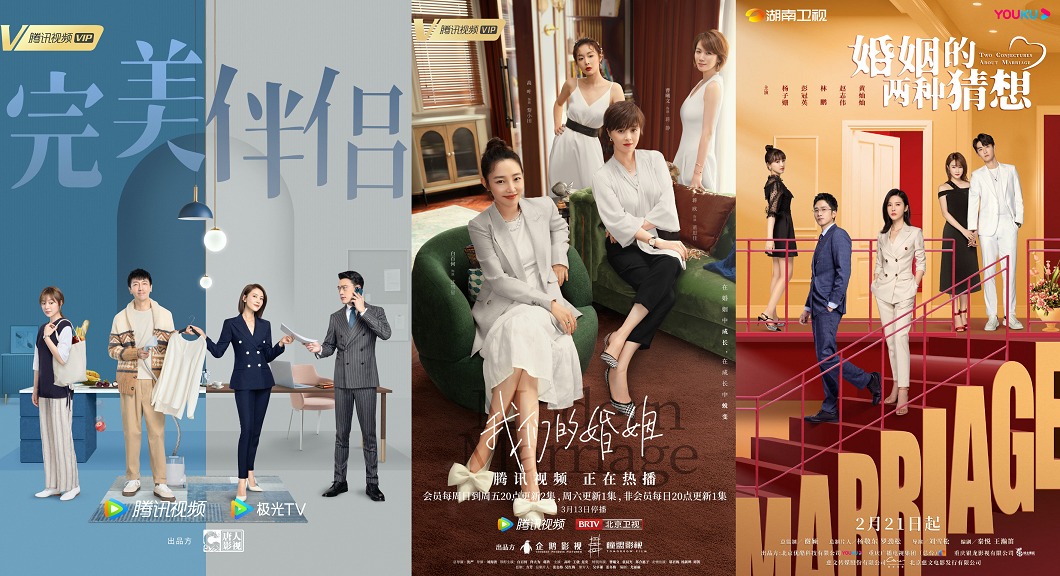
But the reality is not quite the same as imagined. After a survey of some audiences, it is found that if the idol drama provides a kind of love fantasy for the audience, hoping that the audience will look forward to a beautiful love after watching it, then the clustered marriage drama instead provides the audience with a kind of disillusionment of marriage, playing the third wife, preventing cheating, having a second child, the relationship between mother-in-law and daughter-in-law, and balancing the workplace … After a set of well-known discussion topics, it is often accompanied by the ending of "After watching fear of marriage’s fear of education".

As a big category of realistic themes, marriage dramas must be similar and depressing. How to solve homogenization and take the next step?Entertainment unicorn (ID:yuledujiaoshou) invited some film and television industry practitioners and audiences to discuss these issues together.(Some interviewees are anonymous. ) 

The rise of "her theme" and the return of marriage drama "changing skin"


Looking at literary planning slowly, the sharp increase in marriage and family mainly depends on the rise of the female theme in the past two years.As a market in love women, film and television dramas will never be out of date to discuss women’s life itself.

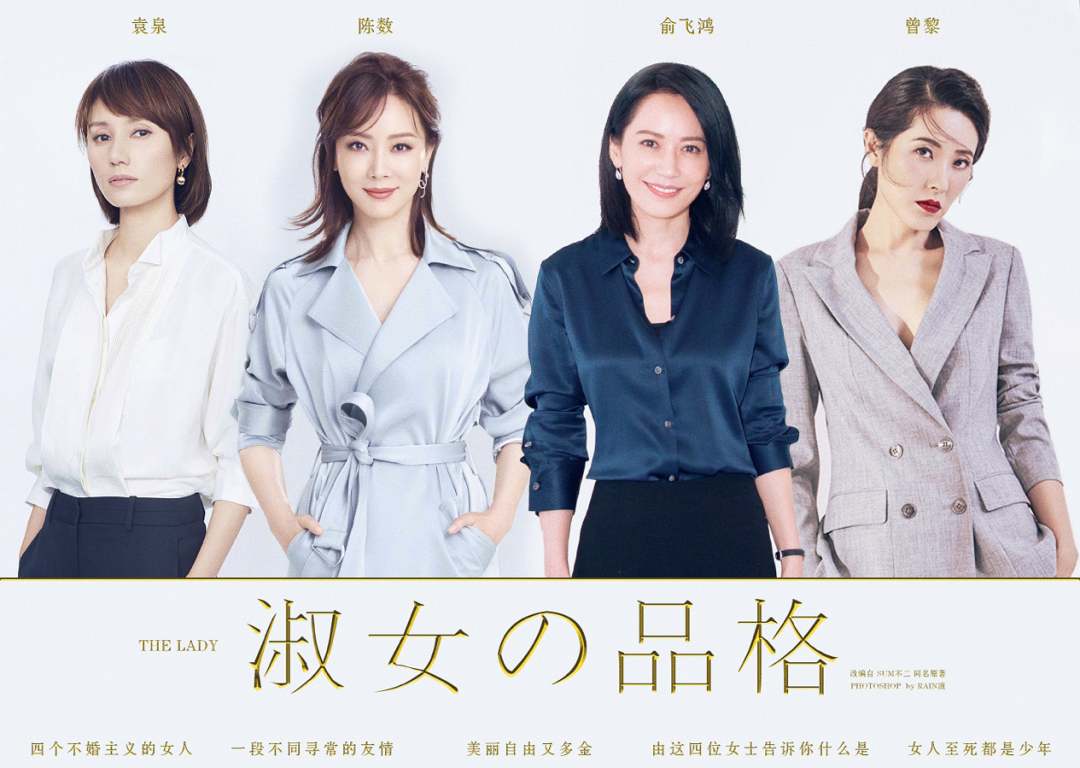
Since 2018, a female group portrait story "The Lady’s Character" from a netizen’s "brain hole" was turned wildly, First Line Pictures announced its purchase, which was widely expected, but the result was nothing but silence. Facts have proved that the market is very eager for the theme of "female group portrait", and facts have also proved that it is quite difficult to develop this theme.
In 2019, Ning Meng Film and Television took the lead in announcing the development of two female group dramas of different ages, "Twenty Confusion" and Nothing But Thirty. Finally, after two years of discussion and development, netizens’ expectations for independent and mature women’s stories returned to family-oriented women. Gu Jia, played by Tanya, tore up her mistress with the attitude of "senior housewife" in a high-end apartment and personally punished her derailed husband, which set off the audience’s cool point. Later, the female theme was often linked to marriage, and marriage was indeed.

Yang Kang, a producer of Shandong film and television production (hereinafter referred to as "producer Yang Kang") mentioned.Marriage drama has always been a theme that has never been abandoned in contemporary domestic film and television dramas.The reason why I feel that there is a significant increase in the market is that with the application of big data in the film and television industry, the original audience data with a large base is presented. This view coincides with Qingmei, who has more than ten years of screenwriter experience.

Screenwriter Qingmei said that she had a complete script for marriage and family projects a few years ago. However, in 2015-2017, Internet movies and TV shows rose, and the audience’s viewing habits and aesthetics of film and TV shows changed greatly. Until recently, producers began to consider whether it could be modified into a story that is more suitable for the current topic.

Producer Yang Kang said that with the development of society, many new public opinion topics and life labels have emerged, which have also been applied to the re-deconstruction of marriage themes. This is also mentioned by the screenwriter Qing Mei. The ethical style of dog blood in today’s marriage dramas and TV family dramas before the birth of Internet movies has changed greatly, and even the dramas are changing every year.

Slowly, when doing preliminary research for similar projects in hand, literary planners found that,"People began to pay more attention to personal feelings in marriage. There are many female marriage dramas to be broadcast, and they began to tell marriage stories from different perspectives."

In this regard, the industry reporter tips very much agree. She believes that there are two main problems that the audience is tired of marriage dramas. One is the unavoidable urge to get married and have a baby, and the other is the unavoidable cheating to catch a mistress. "Cheating on a mistress" is a common practice to create strong conflicts and push the story forward, but it doesn’t mean that it is easy to use. If it is not used wisely enough, it is suspended dog blood, which can be regarded as a lazy method for screenwriters.
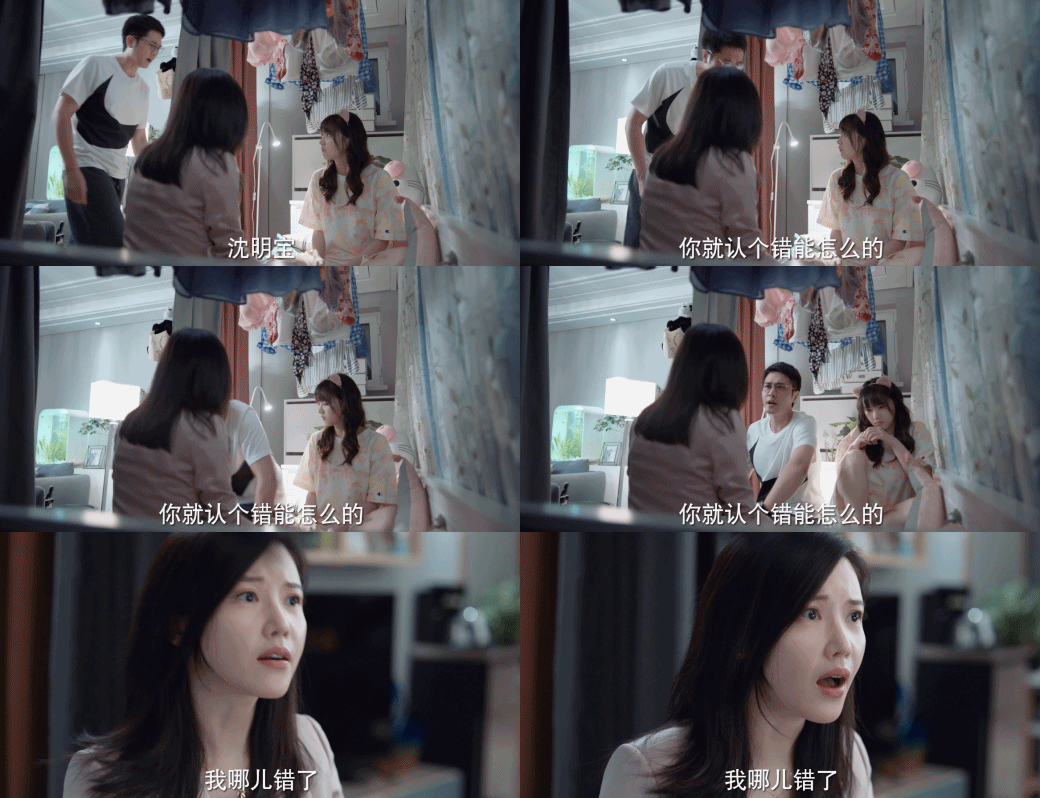
For example, in Two Conjectures of Marriage, when the male host looks at the normal contact between the female host and his friends from a distance, he mistook it for intimate contact because of his own perspective dislocation, and sternly accused the female host as a wife of being unfaithful to himself without verification. This is extremely inconsistent with the plot of ordinary people’s thinking logic, and it is rough and lazy in both script writing and filming, creating "external causes" to create conflicts.

Another kind of seven-year itch is more delicate, and its universality is far greater than that of cheating on a mistress, among which "seven-year itch" is the most realistic "internal cause" of marriage contradiction.
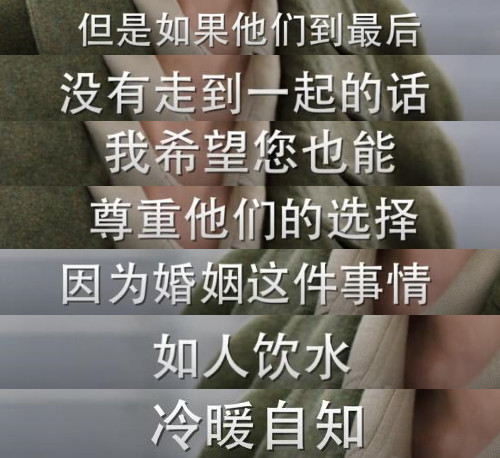
The lines in Perfect Companion pay more attention to the individual feelings in marriage.

For example, in Perfect Companion and Our Marriage, the contradictions between the main characters, husband and wife, are all based on the contradictions of mutual resentment after living together for six or seven years, which is not easy. Human nature is very complicated, so it is the most complicated to discuss the causes of marriage conflicts from the "internal factors" of people. Whether it is successful or not is not mentioned for the time being, but at least we can see that part of the production team is "sincere".

The "post-90s generation" has turned 30, which may be the biggest change made by the marriage drama to adapt to the current audience.

Topic bonus, who "benefits"?


If the last popular trend of the former marriage drama was still based on the TV-led to-B movie-watching habit, then the "Niu Kelu Marriage Drama" returned this time has been to adapt to the movie-watching habits and entertainment methods of the audience after the baptism of the "post-85 s" and "post-90 s" generation Z, namelyGrab the audience by discussing hot spots on social networking sites.

Qing Mei, a screenwriter, thinks that the difficulty of marriage and family drama is to grasp the pain points of the times.In recent years, due to the changes in social reality, the pain points of the times have become more distinct and prominent, and they are more attractive to young people.
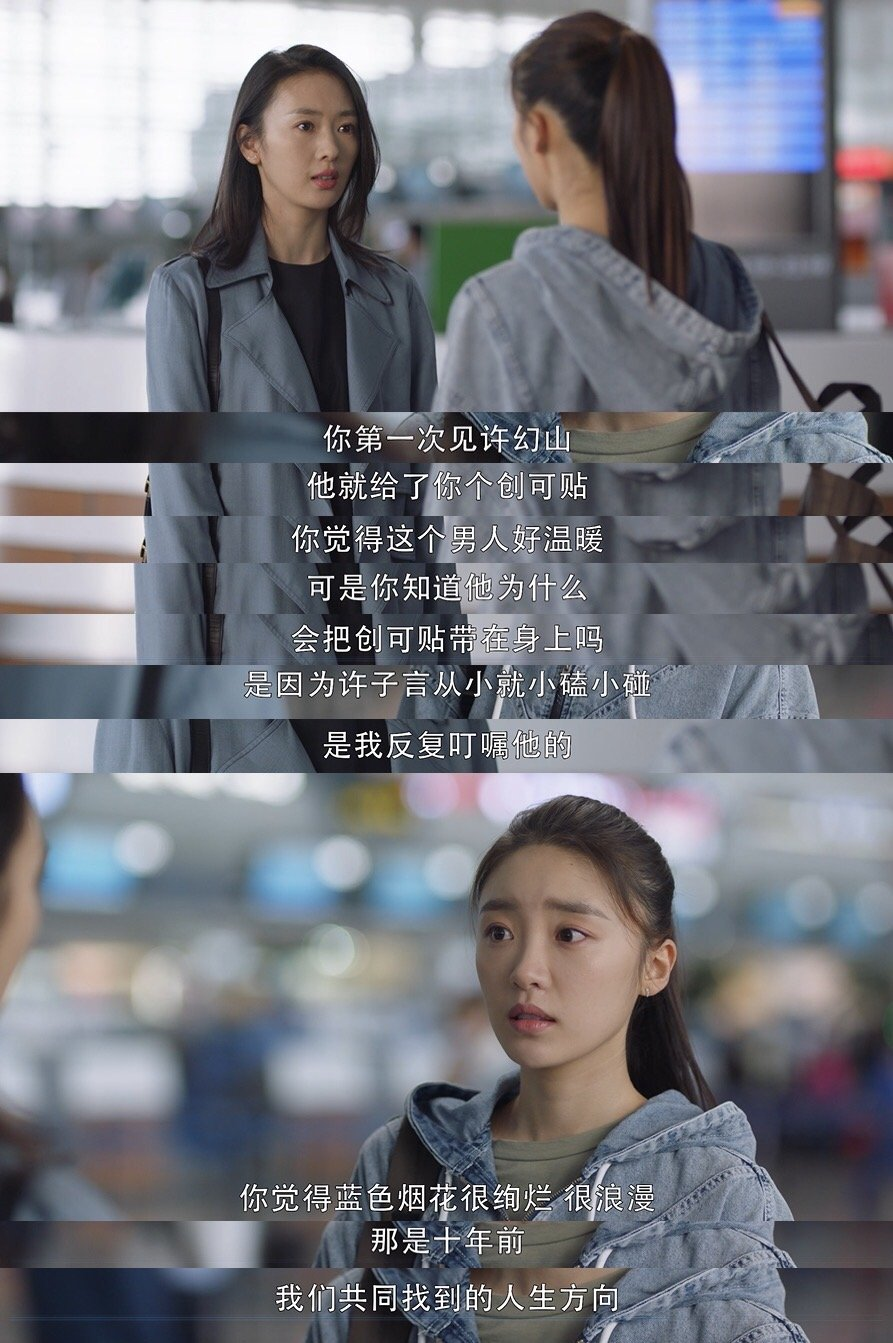
"I think that many TV dramas are not only marriage dramas, but marriage dramas are a representative, and they are all being done in the way of WeChat official account. The topic comes first. In addition to strong conflicts, there must be golden lines, and there are very prominent people like Nothing But Thirty Zhonglin. Together with propaganda means, let everyone play casually."Literary planning will do the same when the script is slowly promoted. If you want the screenwriter to make these characteristics, after all, it is the basic rule that film and television dramas can attract audiences now.

For example, cheating on a mistress is a common feature of marriage dramas, which does not have a strong sense of the times. The embodiment of the times lies in the changes in two directions, one is to discuss the refinement of marriage topics, and the other is to deal with marriage problems.

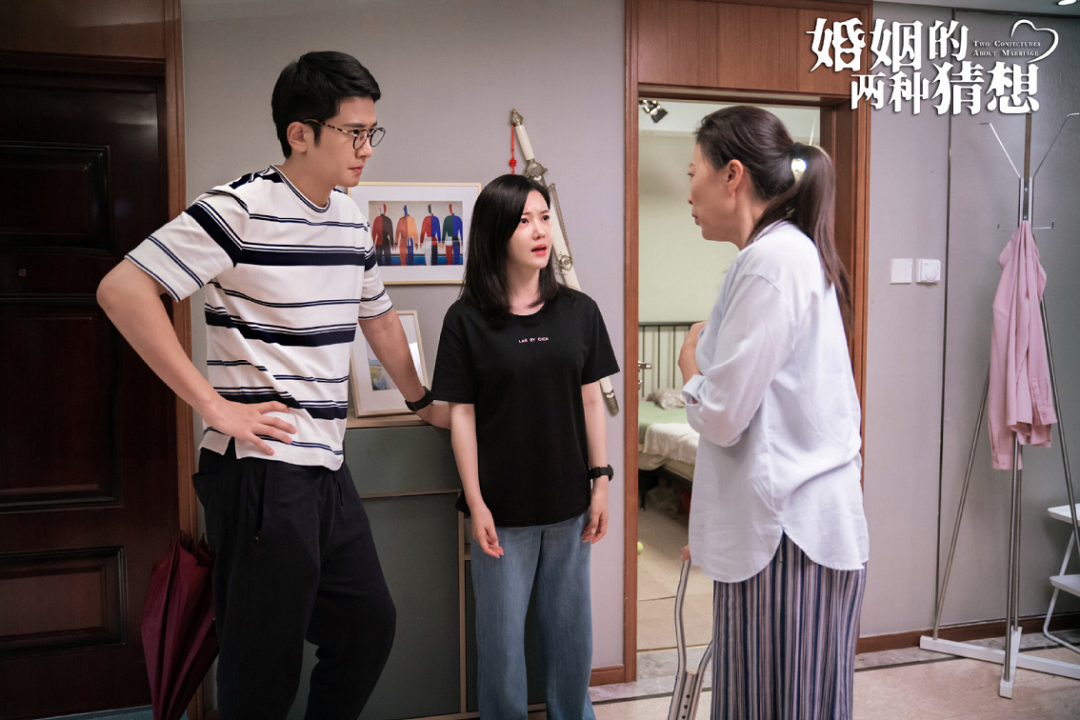
What is obviously reflected is the refinement of the topic of marriage. In Two Conjectures of Marriage, the man and the woman choose to find a suitable formula for flash marriage in order to work without being disturbed, which leads to the topic # Can the first blind date inspect the goods? #, which links the blind date with the shopping experience; Shen Mingbao’s obsession with "getting married at the age of 30" has led to the discussion of # Is it guilty of not getting married at the age of 30? This is the most urgent topic for the 30-year-old "post-90 s", and it also frequently appears in social news and social networking site discussions.
Literary planning slowly said,In order to resonate with reality, it has become a routine practice for marriage dramas to frequently seek realistic materials in social networking sites and social news.However, since the emergence of the media, a lot of news exists in the form of "headline party", and the second verification becomes very critical. The reasons for the news’ appearance cannot be speculated. If the material is not verified and studied in depth at the script stage, it will be divorced from reality and superficial, just like the media, and only seek instantaneous flow.

The content of film and television dramas and online topics are not only mutually beneficial, but also may cause the content to be lazy and vicious circle.

Outside the content end,The return of marriage dramas has gradually raised the age group of actors and audiences who tend to be younger as a whole since the standardization of Internet film and television in 2017.

For the audience, the core audience of Internet film and television is between 16 and 24 years old, and can be widened to 12-34 years old. In the view of producer Bei Lin, the audience of marriage drama is still relatively popular, and it can basically be positioned as a female audience between the ages of 18 and 50.

Marriage drama has become the representative of "mature drama".Actor Danni Zhong also said that when she made her debut in 2010, because of the popularity of family ethics dramas, young people needed to wear suits and high heels to audition like job interviews, because the actors needed at that time were also relatively mature Tsing Yi types, and during the Internet film and television period, she needed to wear casual clothes to audition, and the young characters in idol love dramas were mainly suited to sweet pets. Only in the last two years, the realistic theme became popular again, and the "Chinese women craze" became popular, did she feel that she had caught up with the times.
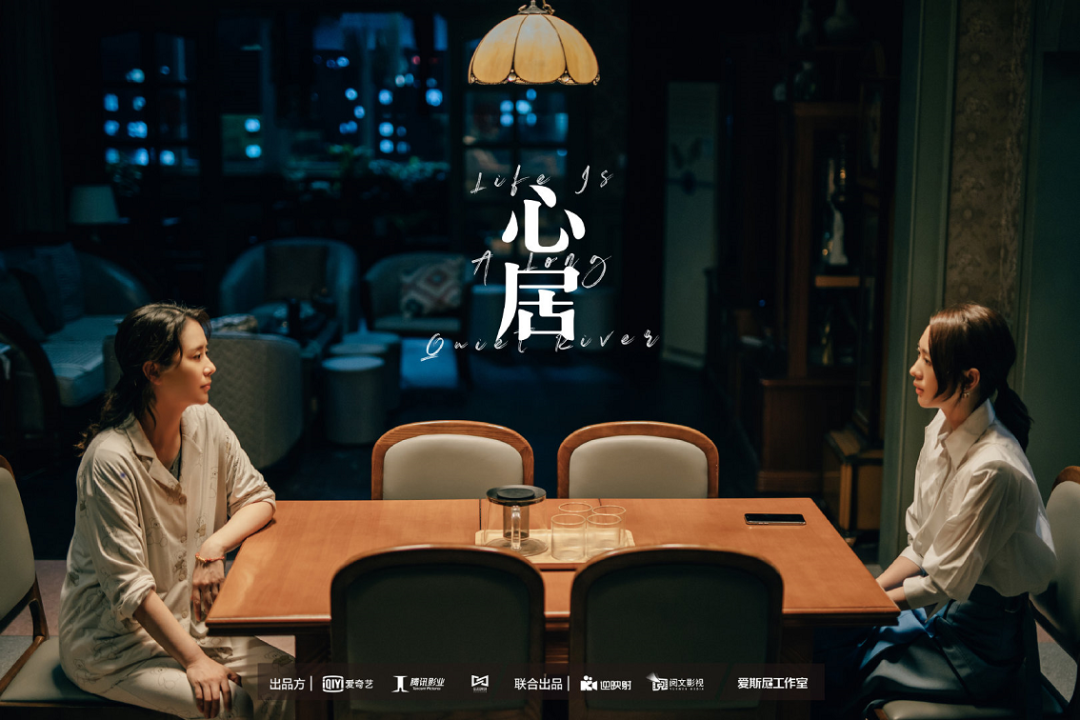
This year, Gao Yuanyuan, 42, Bai Baihe, 37, and Yang Zishan, 35, are the heroines of the three popular marriage dramas, all of whom have a history of marriage. And the popular family drama "Heart House" with the theme of the relationship between aunt and sister-in-law, also starred by Christina, 44, and Tanya, 36.

At the 13th First Film Festival in 2019, Christina, Yao Chen, Liang Jing, Ma Yili, Song Jia and other actresses who were almost all 40+ at that time gave a speech about "the dilemma of Chinese women", calling on directors and producers to give Mesozoic actresses more opportunities. In fact, over the years, Ma Yili had My First Half Life, Yao Chen had Everything Fine, Song Jia had Little Shed-up and In the World, and Nicole became a representative of female producers, while Christina finally took up Heart, although she was still a wronged wife.

But obviously,35-year-old+actors are broadening their careers.Because the "85-flower" generation, which is rising from the era dividend of IP and ancient dolls, not only continues to struggle in IP and idol dramas, but also has the opportunity to show its strengths in the marriage dramas of school-age women like Tanya. In addition to Two Conjectures of Marriage, Yang Zishan has also aired an idol drama "The Lion’s Reflection on the Cat" adapted from the romance novel of Ba Zong this year. The performance is still good, and it is not a conflict for actors to appear in different themes.

Producer Bei Lin also pointed out that,From the producer’s point of view, the limitations of actors are relatively small, and marriage drama, as a realistic theme, pays more attention to directors and screenwriters who have had more successful experience in the same field. Therefore, it is an era of more opportunities for more mature actresses.

The next step in the marriage drama,

Can you go deeper?


"Although the topics discussed in the marriage drama are becoming more detailed, we still can’t escape the framework of these topics, such as urging marriage at an older age and raising a baby in the workplace. It’s just that the plot begins to show the behavior of contemporary women under these frameworks." The industry reporter tips bluntly, which also causes the audience to feel tired of the homogenization of marriage and family dramas.The key is to look at the next step of this theme.

Old-fashioned marriage dramas deal with the phenomenon of cheating on a mistress, which is that women choose to bear it or carefully struggle whether to expose it. The thinking of "Don’t wash your dirty linen in public" is deeply rooted, but for young people today, "cool" is the first element, and they can’t stand it. Anyone who commits an offence against me, not only a mistress, but also a green tea lotus must be torn one by one. This is also the reason why Gu Jia in Nothing But Thirty stands out among the three women.
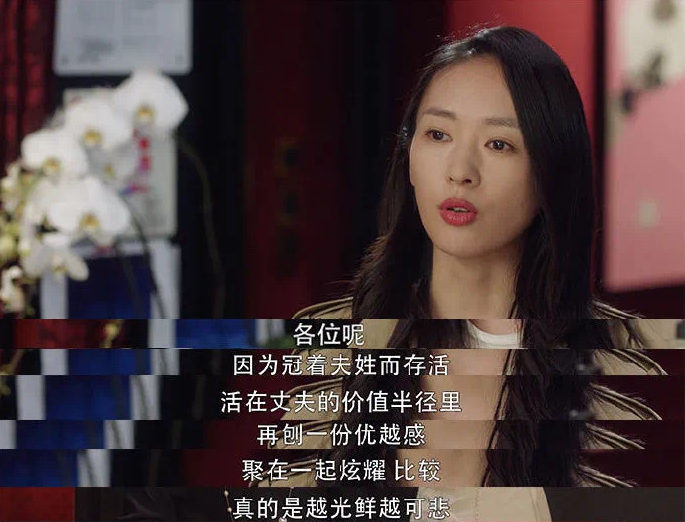
"Female strength is the trend or expectation of contemporary women, and it is more intense on social networking sites." Literary planning slowly indicated that the current speculation on existing topics, although it seems to resonate with the current trend, is essentially a backward rather than a leading practice.

Xiao Fan, a screenwriter, believes that in the past three years, the theme of marriage and love still focuses on the conflict of sexual demand, reproductive quality, money consumption concept and living habits.However, the discussion on the cost of marriage is getting shallower and shallower, and finally it ends in vain.

"In a highly urbanized life, the difficulties faced by each family are actually similar. The difference is that different people face different solutions to similar difficulties." According to the screenwriter Qingmei,Telling stories from the point of distress and anxiety can arouse the resonance of some people, but what is actually lost is the resonance of a larger group.For example, the resonance brought about by the changes of the times, such as "In the World", is different from the practice that anxiety brings resonance at present.
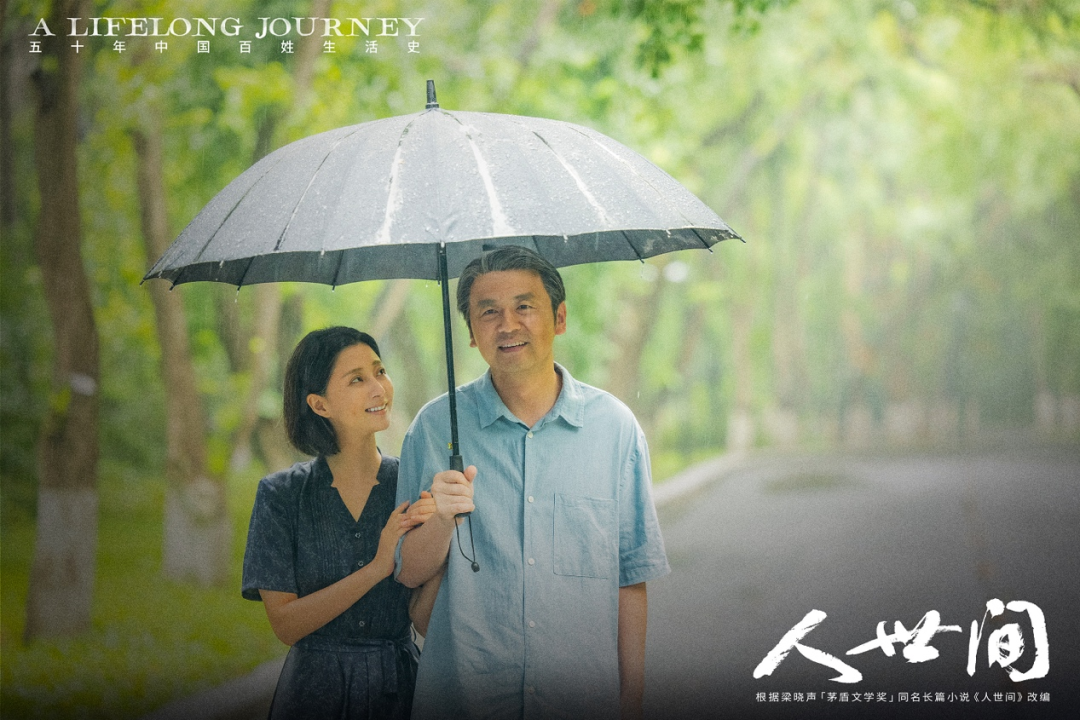
The industry people interviewed also unanimously agreed that,Exploring the times from the current realistic view of marriage and love is what marriage drama should really explore in depth.Unfortunately, no one has really done this step yet because of objective reasons or limited by the creator’s ability.

Industry reporter tips believe that,Collecting public questions, asking questions, amplifying problems, getting traffic, and ultimately not solving problems is tantamount to"Playing hooligans" is the biggest problem in the current marriage drama, and it is also the biggest reason for "fear of education after watching fear of marriage". On the other hand, "The World" or the classic "Parents’ Love" in the domestic marriage drama, because it is based on the past background, the audience is looking back, and it is easier to draw a summary of the characteristics of the past era from the current era environment, so it is easier to "draw conclusions".

The discussion of the New Year’s hot drama Opponent seems to give some practitioners a new indication. The "spy couple" in the drama is nervous and full of fireworks, so can the pure marriage theme evolve with a new theme?
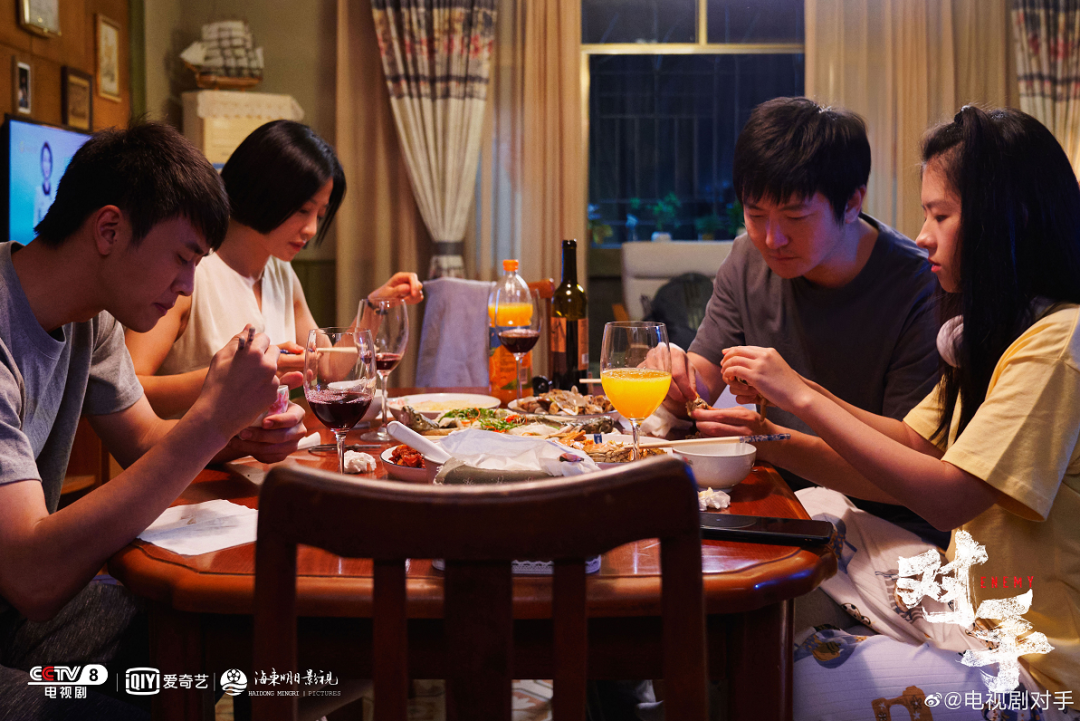
Nowadays, most marriage dramas are usually combined with workplace elements because of the need to discuss how women balance the workplace and family, but the screenwriter Qing Mei believes that,The workplace and marriage are not compatible, and both need to be more extreme. This extreme is two completely different directions.

Literary planning and screenwriter Xiao Fan think that,It is not only anxious topics that can reflect the realism of realistic themes.For example, can we develop a marriage comedy, a light comedy or a healing style like the American drama Romance of Mom and Dad, or add some suspense elements like the spy war elements superimposed on Opponents? Although the Five-element Culture has developed the series of marriage suspense dramas of White Moonlight, it has obviously not grasped the key points in the actual practice. The Wife’s Choice, which the Tang Dynasty film and television will land in Mango Monsoon Theater next, is also of the same type, which is worth waiting and seeing.
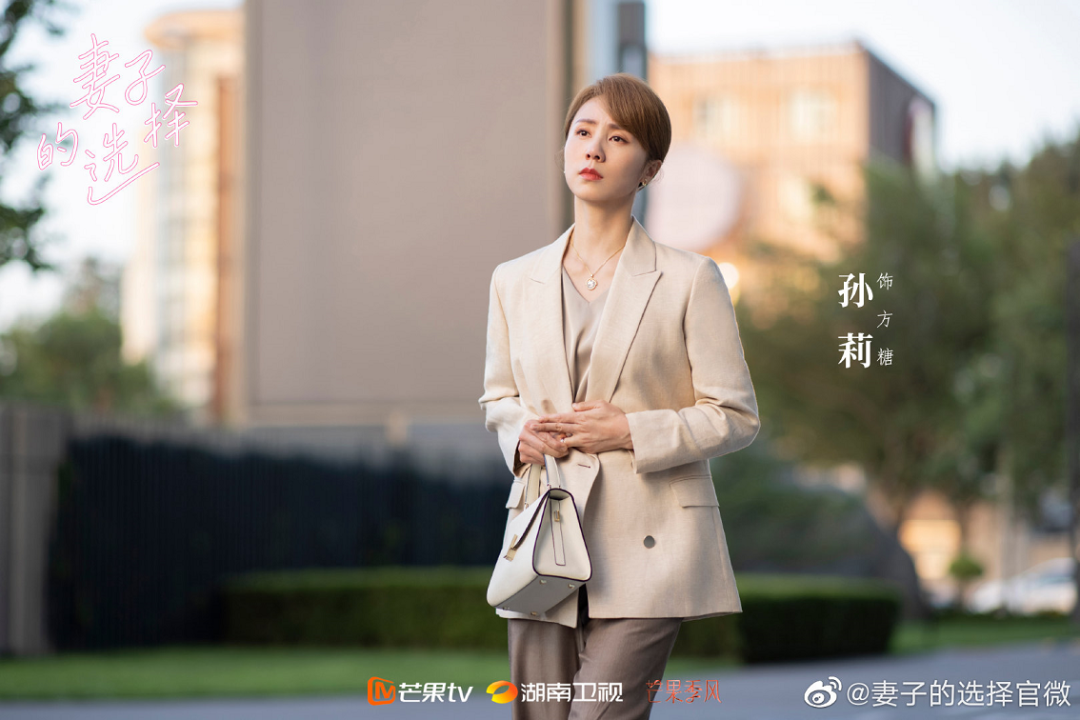
Fortunately, we can feel from the interviews with producers Yang Kang and Bei Lin.With the increase of female producers, there are more and more people in the whole industry who can really feel the same way about female themes, and more people are willing to make further exploration for such themes.
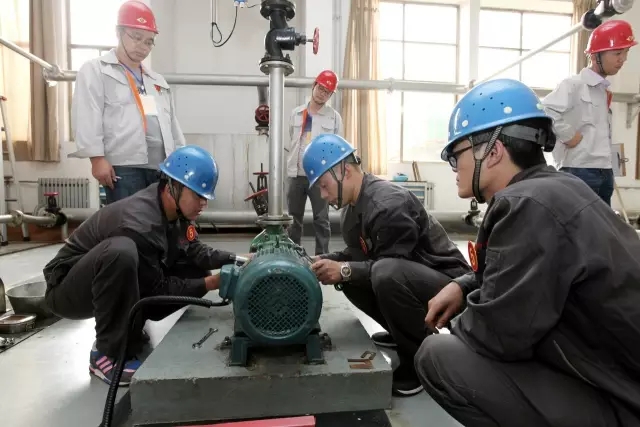
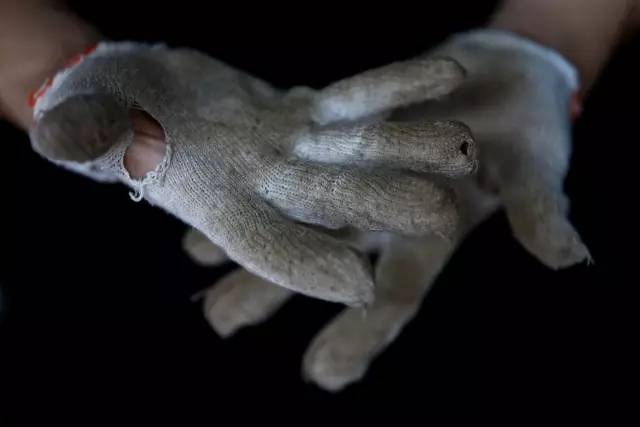
The new regulations of the Ministry of Human Resources and Social Security are clear: preparatory technicians are treated equally with undergraduate graduates.

  CCTV News:Recently, the Ministry of Human Resources and Social Security issued the "Thirteenth Five-Year Plan for Technician Education" (hereinafter referred to as the "Plan"), which is the first five-year plan for mechanic education of the Ministry of Human Resources and Social Security. "Planning" for the first time made it clear that graduates of intermediate classes, advanced classes and preparatory technician (technician) classes in technical colleges should be treated according to the equivalent of secondary school, junior college and undergraduate education.

  The annual training volume of technical schools in China is more than 5 million, but the number of middle and senior technicians is insufficient.

  By the end of 2015, there were 2,545 technical colleges in China, including 434 technician colleges with 3.22 million students, and the employment rate reached 97.4%, and the employment rate of key colleges reached 100%. At the same time, actively carry out all kinds of vocational skills training for the society, with an annual training volume of more than 5 million people.

  At present, the number of middle and senior technicians in China is insufficient, the gap is large, the overall structure of professional skilled personnel is not reasonable, and the distribution of high-skilled personnel in regions and industries is uneven, which makes some high-level and high-quality industrial designs only stay on perfect drawings. This not only restricts the development of individual enterprises, but also adversely affects the overall level of China’s manufacturing industry. More seriously, it even makes the rise of national industries lack a solid foundation.

  The central government has repeatedly proposed to attach importance to the training of high-tech talents.

  In March this year, Li Keqiang, Premier of the State Council of the People’s Republic of China clearly stated in the government work report that it is necessary to "encourage enterprises to carry out personalized customization and flexible production, cultivate the craftsmanship of Excellence, increase varieties, improve quality and create brands."

  On December 8th, this year, Ma Kai, Vice Premier of the State Council, pointed out that high-skilled talents are an important part of China’s talent team, the core backbone and outstanding representative of the workers’ team, an important force to innovate technical skills and create social wealth, and play an important role in promoting technological innovation, economic development and social progress.

  Ma Kai emphasized that to implement the innovation-driven development strategy, implement Made in China 2025, promote economic upgrading, efficiency improvement and upgrading, and move towards the middle and high-end level, we must speed up the training of a skilled talent team with sufficient quantity, excellent quality and reasonable structure.

  By the end of the "Thirteenth Five-Year Plan", a modern mechanic education system will basically be formed.

  The "Planning" clearly stated that by the end of the "Thirteenth Five-Year Plan", a modern mechanic education system will basically be formed, in which the scale of running a school is suitable for market demand, the professional structure is suitable for industrial development, the integration of schools and enterprises runs through the process of running a school, the teaching reform realizes the combination of work and study, the internship and training are closely linked with jobs, the level and scale of skilled personnel training are more matched with economic and social development, and the social service function is more perfect.

  The Plan puts forward six development goals.

  "Planning" briefly summarizes the development status, existing problems and the situation faced by the national technical education, clarifies the guiding ideology of technical education during the "Thirteenth Five-Year Plan" period, and emphasizes the fundamental requirements, development orientation, training core, school-running concept and development purpose. It puts forward the basic principles of overall planning, employment orientation, connotation development and cultivation of craftsman spirit, and six development goals of "more reasonable layout, more perfect functions, more standardized management, continuous improvement of quality, more distinctive features and more optimized environment".

  The Plan puts forward corresponding measures for the six major goals.

  ① Coordinate the coordinated development of the eastern, central and western regions, optimize the structure of technical colleges, vigorously develop technical colleges, support the development of industrial enterprises and private colleges, and stabilize the scale of educational system.

  ② It is clear that technical education must serve employment and entrepreneurship, development of skilled personnel, poverty alleviation and strengthening international cooperation and exchanges.

  (3) put forward requirements from the aspects of standardizing the internal management, academic system, student status, funding, supervision and evaluation of technical colleges.

  ④ Strengthen the construction of specialties, teaching materials, scientific research and teaching, teachers and information.

  ⑤ Adhere to the characteristics of school-enterprise cooperation, high-end training and standardized development.

  ⑥ Guide all localities and industries to increase their support for technical colleges and universities in terms of policies, funds, projects and publicity.

  For the first time, the Plan clarifies that technical school graduates are treated equally with graduates with corresponding academic qualifications.

  ① Put forward 10 main development indexes of technical education for the first time;

  (2) Put forward six development goals from different latitudes of the development of technical education, and put forward specific measures accordingly;

  ③ It is proposed that the cultivation of craftsman spirit should be regarded as the key teaching content in technical colleges and run through the whole process of technical education;

  (4) Emphasis is placed on strengthening the management and service functions of the competent organizers of technical colleges for technical education, and on the main responsibility of the human and social departments in the process of implementing the planning;

  ⑤ Insist on high-end leading, put forward to vigorously develop technician colleges, implement high-end leading plan of mechanic education, and focus on cultivating artisans in big countries;

  ⑥ For the first time, it is clear that the graduates of intermediate class, advanced class and preparatory technician (technician) class in technical colleges should be treated according to the equivalent secondary school, junior college and undergraduate education;

  ⑦ Make it clear that technical colleges should implement funds according to the standards of vocational colleges at the same level;

  (8) Implement the spirit of relevant central documents, and put forward specific requirements for poverty alleviation, international exchanges and cooperation, and textbook construction;

  Pet-name ruby pays more attention to standardizing school running and management, and systematically puts forward normative requirements from five aspects for the first time;

  Attending to pay more attention to basic work and put forward requirements for enrollment, professional construction, teaching and research reform, etc.

In 2017, what small development and reform goals have all provinces set?

  Xinhuanet Wang Ying

  Since January, the provinces have successively entered the local two sessions. At present, 30 provinces, autonomous regions and municipalities have held 2017 provincial-level local conferences, and local government work reports have also been released. At the two sessions, what small development and reform goals have been formulated by various provinces, and how to protect many social and livelihood topics that people care about? Let’s take a look.

  Curing haze requires determination and goals.

  In the winter of 2016, several rounds of smog that swept across many parts of the country made "governance" continue to be a high-frequency word in the work reports of local governments, and it has also become the top priority of this year’s work. To control smog, not only are all localities determined, but many provinces, including Beijing, Tianjin and Hebei, have also put forward clear targets for smog control.

  Beijing proposed that in 2017, the average annual concentration of fine particles should be controlled at around 60 μ g/m3.

  Tianjin proposed to switch to burning and shut down 7 coal-fired generating units and 380 coal-fired boilers, and shut down and eliminate 100 backward enterprises. The average annual concentration of PM2.5 decreased better than last year, and the national "Ten Atmosphere" target task was completed.

  Hebei proposed that the average concentration of PM2.5 decreased by more than 6% this year.

  Henan proposes to ensure that the concentrations of PM10 and PM2.5 decrease steadily, and the days with good air will last for more than 200 days.

  Shaanxi proposed to strive to reduce the concentration of PM2.5 in Guanzhong area by more than 3% and increase the number of excellent days by an average of 5 days.

  Jilin pointed out that the proportion of days with excellent ambient air quality in cities above prefecture level reached more than 75%.

  Implement the river length system and take action in many places.

  In December 2016, the "Opinions on Comprehensively Implementing the River Length System" issued by the Central Office and the State Council was announced, which clarified the main tasks of implementing the river length system and proposed to fully establish the river length system by the end of 2018. "Implement ‘ River length system ’ " It has become a key word in many local government work reports this year.

  Ningxia proposed to implement the "river length system", strengthen the management of tributaries of the Yellow River, drainage ditches into the Yellow River, key lakes and urban black and odorous water bodies, completely ban the direct discharge of enterprises, severely crack down on the pollution of the Yellow River, and resolutely protect the "mother river".

  Beijing has made it clear that it is necessary to strictly implement the "river length system", implement the regional compensation mechanism for water environment, and improve the water quality of national and municipal monitoring sections. We will build 29 ecologically clean small watersheds, complete the task of treating 57 sections of black and odorous water bodies, and completely eliminate the black and odorous water bodies in the built-up areas.

  Yunnan proposes to pay close attention to the prevention and control of environmental pollution, fully implement the "river length system", and strengthen the protection and management of six major water systems such as the Yangtze River and the Pearl River and nine plateau lakes such as Dianchi Lake and Erhai Lake.

  Digest "zombie enterprises" and continue to unswervingly go to production capacity

  In December 2015, the Central Economic Work Conference listed "de-capacity" as the top five tasks of supply-side structural reform in 2016. In the past 2016, all localities have firmly "de-capacity", and key industries have achieved remarkable results in de-capacity. 2017 is the year of deepening supply-side structural reform. Accelerating structural adjustment and optimization, improving supply quality and level, and unswervingly "de-capacity" have become important topics in the work reports of local governments.

  According to the actual situation of Hebei province, it is proposed that the word "go" should be the first, steel should be the most important, policy guidance should be strengthened, and strict investigation and verification should be carried out, and a ton of steel will never be added illegally.

  Shanxi, Inner Mongolia and Qinghai all said that resolving excess production capacity will make better use of marketization and rule of law, and strictly implement relevant laws, regulations and standards on environmental protection, energy consumption, quality and safety.

  Jilin’s goal of de-capacity in the new year is not only specific, but also specific to enterprises. It is clear that Tonggang Group will reduce the ironmaking capacity by 800,000 tons, and Yatai Cement and other enterprises will reduce the cement clinker capacity by 5 million tons.

  Guangxi revealed that it will establish a database for "zombie enterprises" and establish a disposal mechanism for non-state-owned "zombie enterprises".

  Anhui, Henan, Gansu and other places have also made firm determination to reduce production capacity in the government work report, and proposed that while completing the annual task of resolving excess capacity, it is necessary to prevent the resurgence of resolved excess capacity.

  Sichuan and Yunnan clearly want to consolidate the achievements of steel de-capacity and severely crack down on illegal production and sales of "strip steel".

   "Made in China" opens up new development ideas for all localities.

   Overcapacity does not mean backwardness. To achieve better development of industries and enterprises, "de-capacity" must be coordinated with strategies such as "Made in China 2025" and "internet plus".

   Zhang Qingwei, Governor of Hebei Province, said in his government work report that in 2016, the added value of equipment manufacturing industry in Hebei Province surpassed the iron and steel industry to become the first pillar industry. In 2017, Hebei will take intelligent manufacturing as the main direction, carry out special green manufacturing actions, and improve the quality and efficiency of traditional industries.

   The work report of the Liaoning provincial government mentioned that in 2016, Liaoning implemented the Made in China 2025 Liaoning Action Program, and has promoted the construction of the first batch of 50 pilot demonstration enterprises for intelligent manufacturing and intelligent services, with high-end equipment manufacturing accounting for 17.2%. In 2017, we will aim at the middle and high end, consolidate and upgrade the equipment manufacturing industry, and promote the construction of 100 pilot demonstration enterprises for intelligent manufacturing and intelligent services.

   Wang Xiaodong, acting governor of Hubei Province, said in his government work report that Hubei’s economy is in a difficult process of transforming old and new kinetic energy, and it is necessary to respond with new ones and adapt to changes, so that traditional kinetic energy can be rejuvenated and new kinetic energy can stir up the beam. In 2017, it is necessary to thoroughly implement the Made in China 2025 Hubei Action Plan and the Opinions on Accelerating the Implementation of internet plus Action, deepen the integrated development of manufacturing and Internet, focus on intelligent manufacturing, and accelerate the construction of a strong manufacturing province.

   The government work reports of Ningxia and Xinjiang all mentioned the need to thoroughly implement the local action plan of Made in China 2025. Ningxia is particularly clear about speeding up the clean and efficient utilization and transformation of coal, and promoting the integrated and efficient development of coal chemical industry and petrochemical industry. In order to speed up the conversion of new and old kinetic energy, Xinjiang will support the technological innovation and transformation of traditional industries, promote the integration and development of manufacturing and the Internet, and promote the vitality of traditional kinetic energy.

  Real estate regulation, destocking and stabilizing housing prices

  Real estate destocking was an important part of local work last year. The Central Economic Work Conference held at the end of last year defined the development direction of China property market in 2017, and emphasized the need to promote the stable and healthy development of the real estate market. In 2017, many provinces continued to put the foothold of real estate regulation on destocking, and at the same time insisted on stabilizing the real estate market price.

  The two sessions in Beijing pointed out that the goal of Beijing’s property market regulation is to stabilize housing prices and establish a long-term mechanism for real estate development. This year, we should vigorously promote the construction of affordable housing such as self-occupied housing and public rental housing, so that housing can truly return to the residential property.

  In the government work report, Xinjiang Uygur Autonomous Region pointed out that the development of real estate industry should be organically combined with urbanization and urbanization of agricultural transfer population, and the real estate market should be regulated by classification and implemented according to the city and place to ensure a stable and healthy development.

  Shenzhen proposes to adhere to the position that "houses are used for living, not for speculation", and comprehensively use financial, land and investment means to speed up research and establish a basic system and a long-term mechanism for the stable and healthy development of the real estate market to adapt to market rules, effectively reducing the "squeezing" impact of high housing prices on the real economy.

  Shanghai also proposes to adhere to the positioning that "houses are used for living, not for speculation", strengthen the regulation of the real estate market, and strictly implement the regulation policies to promote the stable and healthy development of the real estate market. At the same time, Shanghai has put forward the goal of supplying 50,000 sets of various types of affordable housing.

   Poverty alleviation, and the bottom line of people’s livelihood.

  Development is for the people, and the results should benefit the people. In the crucial year of building a well-off society in an all-round way, all localities have paid more attention to poverty alleviation and improving people’s livelihood in their work.

  Guizhou’s "Great Poverty Alleviation" strategy achieved gratifying results in 2016. Last year, Guizhou won the first battle to get rid of poverty, reducing the number of poor people by 1.208 million, launching the "first gun" of ex situ relocation and poverty alleviation throughout the country, and relocating 458,000 rural people. In 2017, Guizhou proposed to reduce the number of rural poor by more than 1 million.

  In the work report of the Hunan provincial government, it is proposed that poverty alleviation should be taken as the first livelihood project to ensure that 1.1 million rural poor people will be reduced and 10 poverty-stricken counties and 2,500 poverty-stricken villages will be withdrawn this year.

  This year, Hubei will continue to push forward poverty alleviation in a down-to-earth manner, and strive to lift 1.28 million people out of poverty this year, and nine poverty-stricken counties will take off their hats, and effectively implement all measures to tackle poverty from village to household.

  Multi-measures continue to alleviate the difficulty and expensive medical treatment.

  As an important concern in the field of people’s livelihood, the problem of difficult and expensive medical treatment has always been concerned. Adjusting the price of medical services, increasing the proportion of hospitalization reimbursement, and promoting the direct settlement of medical treatment for urban and rural residents in different places have been included in this year’s work plan by many local governments.

  Beijing’s government work report puts forward that this year we should coordinate and promote the reform of medical care, medical insurance and medicine linkage, fully implement the separation of medicine, adjust the price of medical services, and promote the reform of compound medical insurance payment methods. At the same time, we should vigorously promote the sunshine procurement of drugs, improve the basic drug system, and promote the convergence of drug use between large hospitals and communities.

  Tianjin has put forward the goal of "increasing the standard of residents’ medical insurance subsidy to 800 yuan and increasing the proportion of hospitalization reimbursement by 5 percentage points".

  Hubei Province proposes to fully implement a unified basic medical insurance system for urban and rural residents, strengthen the effective connection of basic medical insurance, serious illness insurance and medical treatment, and ensure the direct settlement of medical treatment for urban and rural residents in different places.

  It is clear that Henan should improve the pilot of instant settlement of medical treatment in different provinces, implement a unified basic medical insurance system for urban and rural residents, and raise the financial subsidy standard to 450 yuan per person per year.

  Implementing the "Four Strictest" to Protect the Safety of Tongue Tip

   Food is the most important thing for the people, and the safety on the tip of the tongue has always been concerned by the people. Strict food safety has also been written into this year’s work plan by many local governments. In view of the "safety on the tip of the tongue" of the people, many places emphasize the need to implement the "four strictest".

  Tianjin listed "continuously strengthening the quality and safety supervision of food, medicine and agricultural products, so that the general public can eat with confidence" as this year’s work goal.

  Hebei Province particularly emphasizes that it is necessary to implement the food and drug safety and security project in depth, continue to carry out centralized rectification of key areas, key areas and key links, adhere to the most stringent standards, the strictest supervision, the most severe punishment and the most serious accountability, and ensure the people’s "safety on the tip of the tongue".

  Hubei’s government work report also made it clear that it is necessary to improve the unified and authoritative food and drug safety supervision system, implement the "four strictest" requirements, and ensure food and drug safety.

  Guizhou also put forward the goal of "strictly implementing the food and drug safety responsibility system, strengthening inspection and testing, and improving the supervision system from production to consumption". (Comprehensive news from Xinhua News Agency, People’s Daily and Zhongxin. com)

Emergency Management Department: In 2022, 112 million people were affected by natural disasters.

According to the website of the Emergency Management Department, the Emergency Management Department released the basic situation of natural disasters in 2022 on the 13th. In the whole year, 112 million people were affected by various natural disasters, 554 people died and disappeared due to disasters, and 2.428 million people were resettled. 47,000 houses collapsed and 796,000 houses were damaged to varying degrees; The affected area of crops is 12,071.6 thousand hectares; The direct economic loss was 238.65 billion yuan. Compared with the average in recent five years, the number of people who died and disappeared, the number of houses collapsed and the direct economic losses decreased by 30.8%, 63.3% and 25.3% respectively.

According to reports, the Ministry of Emergency Management, together with the Ministry of Industry and Information Technology, the Ministry of Natural Resources, the Ministry of Housing and Urban-Rural Development, the Ministry of Transport, the Ministry of Water Resources, the Ministry of Agriculture and Rural Affairs, the Health and Wellness Commission, the Statistics Bureau, the Meteorological Bureau, China Banking and Insurance Regulatory Commission, the Grain and Material Reserve Bureau, the Forestry and Grass Bureau, the China Red Cross Society, China State Railway Group Co.,Ltd. and other departments and units, approved that in 2022, China’s natural disasters will be dominated by floods, droughts, windstorms, earthquakes and geological disasters.

Affected by extreme weather, major disasters occurred, such as floods in the Pearl River basin, breaches of the Raoyang River, a tributary of the Liaohe River, flash floods in Datong, Qinghai, Pingwu and Beichuan in Sichuan, droughts in summer, autumn and winter in the Yangtze River basin, and forest fires in southern China. The Luding 6.8 earthquake in Sichuan caused heavy casualties. The Emergency Management Department strengthened overall coordination, made every effort to do a good job in emergency rescue and disaster relief, and minimized casualties and property losses.

The main features of national natural disasters in 2022 are:

First, the distribution of natural disasters in China is uneven in time and space, with frequent occurrences in summer and autumn and severe disasters in the central and western regions.

From January to April, the disaster situation was generally stable and light, except for the 6.9 earthquake in Menyuan, Qinghai Province on January 8 and the freezing rain and snow disaster in some parts of southern China in February. After entering summer and autumn, severe rainstorm and flood disasters occurred in South China, Jiangnan and Liaohe River Basin, rare drought in summer and autumn and winter in Yangtze River Basin, local mountain torrents and mudslides in Sichuan, Heilongjiang, Gansu and Qinghai, as well as major disasters such as Lushan 6.1 earthquake in Sichuan, Marcand 6.0 earthquake swarm and Luding 6.8 earthquake. During the period from long summer to beginning of winter, the number of deaths, disappearances and direct economic losses caused by various natural disasters accounted for 92% and 91% of the total annual losses respectively. There are 10 provinces with direct economic losses of over 10 billion yuan due to disasters throughout the year.

Second, the flood disaster is "heavy in the north and south, light in the middle", and local mountain torrents frequently recur.

In 2022, there were 38 regional rainstorm processes in China, with an average precipitation of 606.1 mm, 5% less than normal. Floods exceeding the warning level occurred in 626 rivers in 28 provinces across the country, and there were 10 numbered floods in large rivers. Among them, the Pearl River Basin formed two consecutive large floods, and the Beijiang River experienced the biggest flood since 1915. The biggest flood occurred in Liaohe since 1995; The flood situation of the Yellow River, Huaihe River and Haihe River is generally stable. South China has experienced nine regional rainstorm processes in the first flood season, and the precipitation in the Pearl River Basin is the highest in the same period since 1961, resulting in large basin floods. In July and August, serious floods occurred in Liaohe River Basin. Sudden flash floods in Sichuan, Qinghai and other places caused heavy casualties. In the whole year, 33.853 million people were affected by floods, 171 people died and disappeared due to disasters, and the direct economic loss was 128.9 billion yuan. In addition, there are 5,659 geological disasters such as landslides, collapses and mudslides in China, mainly small and medium-sized, mainly concentrated in Central South, South China and Southwest China.

Three, the Yangtze River Basin has a rare history of continuous drought in summer, autumn and winter, which has a wide range of influences and heavy losses.

In 2022, affected by the strong subtropical high and La Ni? a phenomenon, the average temperature in China was high, and there were successive droughts in winter and spring in the Pearl River basin at the beginning of the year, in spring and summer in Huanghuaihai and Northwest China from April to June, and in summer, autumn and winter in the Yangtze River basin. Among them, the drought in the Yangtze River basin is the most serious meteorological and hydrological drought since the complete measured data are available, and the number of days above the moderate drought is 77 days, 54 days more than the normal period, which is the highest in the historical period since 1961. At the peak of the drought, 52.452 million people were affected, 7.585 million people needed life assistance due to the drought, the affected area of crops was 60.902 thousand hectares, and the direct economic loss was 51.28 billion yuan.

Fourth, the temporal and spatial distribution of forest and grassland fires is relatively concentrated.

In 2022, there were 709 forest fires in China, with an area of 4,689.5 hectares of forest affected and 17 people killed. In terms of time distribution, March-April and September-October are the high incidence periods of forest fires, with 521 cases, accounting for 74% of the whole year. In terms of spatial distribution, affected by factors such as high temperature and drought, there were 503 forest fires in six provinces of Hunan, Guangxi, Jiangxi, Hubei, Guangdong and Chongqing, accounting for 71% of the country. There were 21 grassland fires in China, including 16 in Inner Mongolia and Qinghai, accounting for 76% of the country.

Five, the strong convective weather process is less, the wind and hail disasters are lighter, and the lightning strike events are relatively prominent.

In 2022, there were 37 regional strong convective weather processes in China, the number of which was less than the average in recent years. From the time point of view, it is mainly concentrated in summer, and the number of deaths and missing persons and direct economic losses caused by strong convective weather account for 73% and 69% of the annual losses caused by wind and hail disasters respectively. Regionally, it is mainly distributed in North China, Northwest China and Southwest China. There are many casualties caused by lightning strikes in Qinghai and Sichuan. On the whole, the wind and hail disasters in 2022 were lighter than normal, causing 9.306 million people to be affected, 88 people died and the direct economic loss was 16.67 billion yuan.

Six, moderate and strong earthquakes in the western region are more active, and the loss of earthquake disasters is biased.

In 2022, there were 27 earthquakes of magnitude 5 or above in mainland China, which increased on average compared with previous years, mainly concentrated in western areas such as Qinghai, Sichuan and Xinjiang. The earthquake with the highest magnitude in the whole year was the Menyuan M6.9 earthquake in Qinghai on January 8, and the earthquake with the heaviest loss was the Luding M6.8 earthquake in Sichuan on September 5. In 2022, the earthquake disaster losses were heavier than normal, resulting in a total of 940,000 people affected, 122 people died and disappeared due to the disaster, and the direct economic loss was 22.45 billion yuan.

Seven, the number of typhoons landing is small, and the landing sites are relatively concentrated.

In 2022, there were 25 typhoons in the Pacific Northwest and the South China Sea, which was basically the same as normal, and four of them landed in China, which was less than normal. On July 2nd, Typhoon No.3 "Siam Ba" landed on the coast of Dianbai, Guangdong, becoming the first typhoon to land. Three of the four landfall typhoons landed in Guangdong, and the 12th typhoon "Meihua" landed four times in Zhoushan, Zhejiang, Fengxian, Shanghai, Qingdao, Shandong and Dalian, Liaoning, which was the first typhoon to land in different parts of mainland China for four times since 1949. The direct economic loss caused by typhoon disaster in 2022 was 5.42 billion yuan, which was lighter than normal.

8. Low temperature rain, snow and freezing affect the southwest and central and southern regions, and the local snowstorm in Xinjiang is serious.

In 2022, China was affected by 35 cold air processes, 5.9 times more than normal. In February, the average temperature in the south was the lowest in the same period since 2009. The southwest and central and southern regions were seriously affected by the low-temperature rain, snow and freezing disasters, and the direct economic losses accounted for 80% of the annual losses caused by the low-temperature rain, snow and freezing disasters. From November 26th to December 1st, the strongest cold wave weather since winter brought severe cooling, strong winds and dust, rain and snow to most parts of the country, and extreme snowstorms in Altay and Tacheng areas of Xinjiang caused casualties. In 2022, low-temperature freezing and snowstorm caused a total of 870.7 thousand hectares of crops to be affected, and the direct economic loss was 12.45 billion yuan.